
My UK PeptidesTrusted UK Supplier of Research Peptides
UK Peptides Supplier
Popular Products
 Shop BPC-157 10mg£26.99
 Shop TB500 10mg£39.99
 Shop GHK-Cu 100mg (Copper Peptide)£34.99
 Shop KPV 10mg£49.00
 Shop MOTS-C 10mg£29.95
 Shop Pinealon 10mg£39.99
 Shop NAD+ 1000mg (30mg vial)£99.99
 Shop KISSPEPTIN 10 10mg£34.99
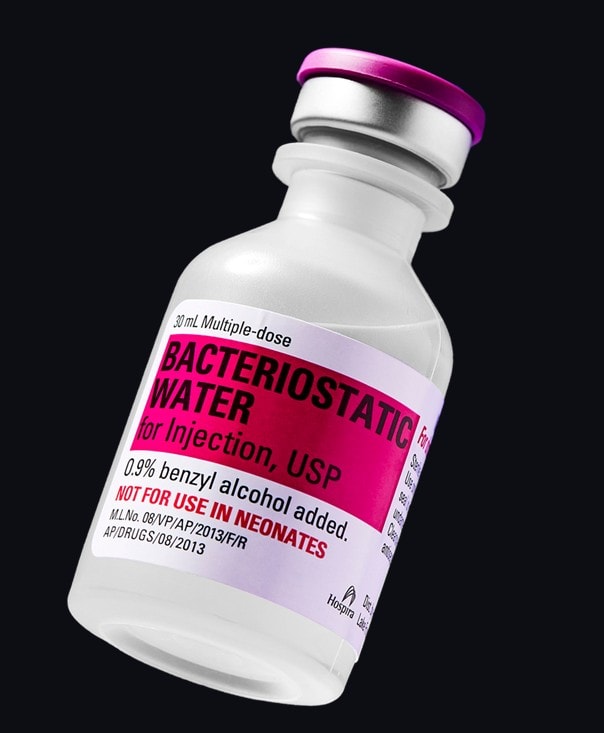 Sold OutShop Hospira 30ml Bac Water£50.00
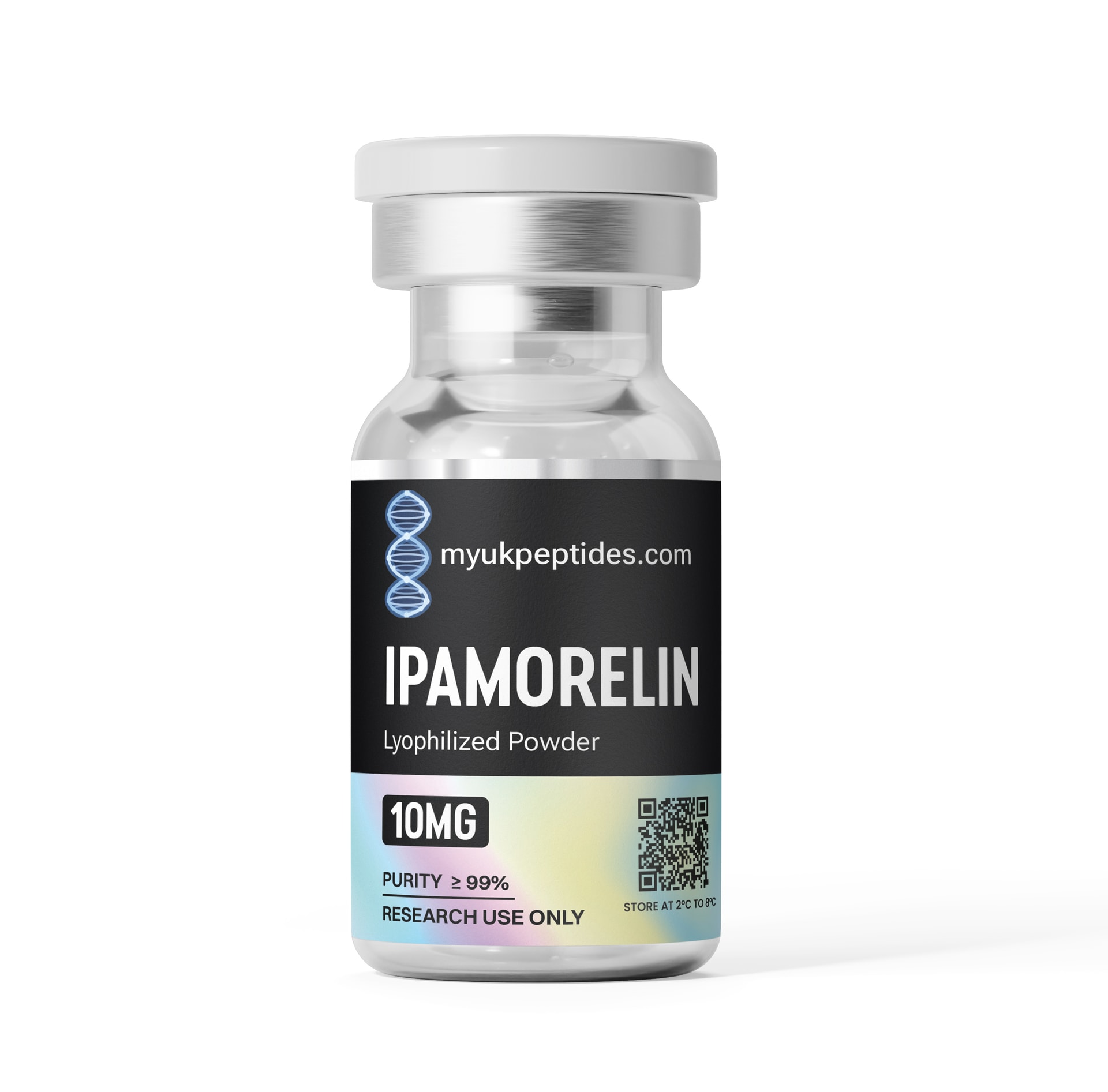 Shop Ipamorelin 10mg£39.99
 Shop DSIP 5mg£13.95
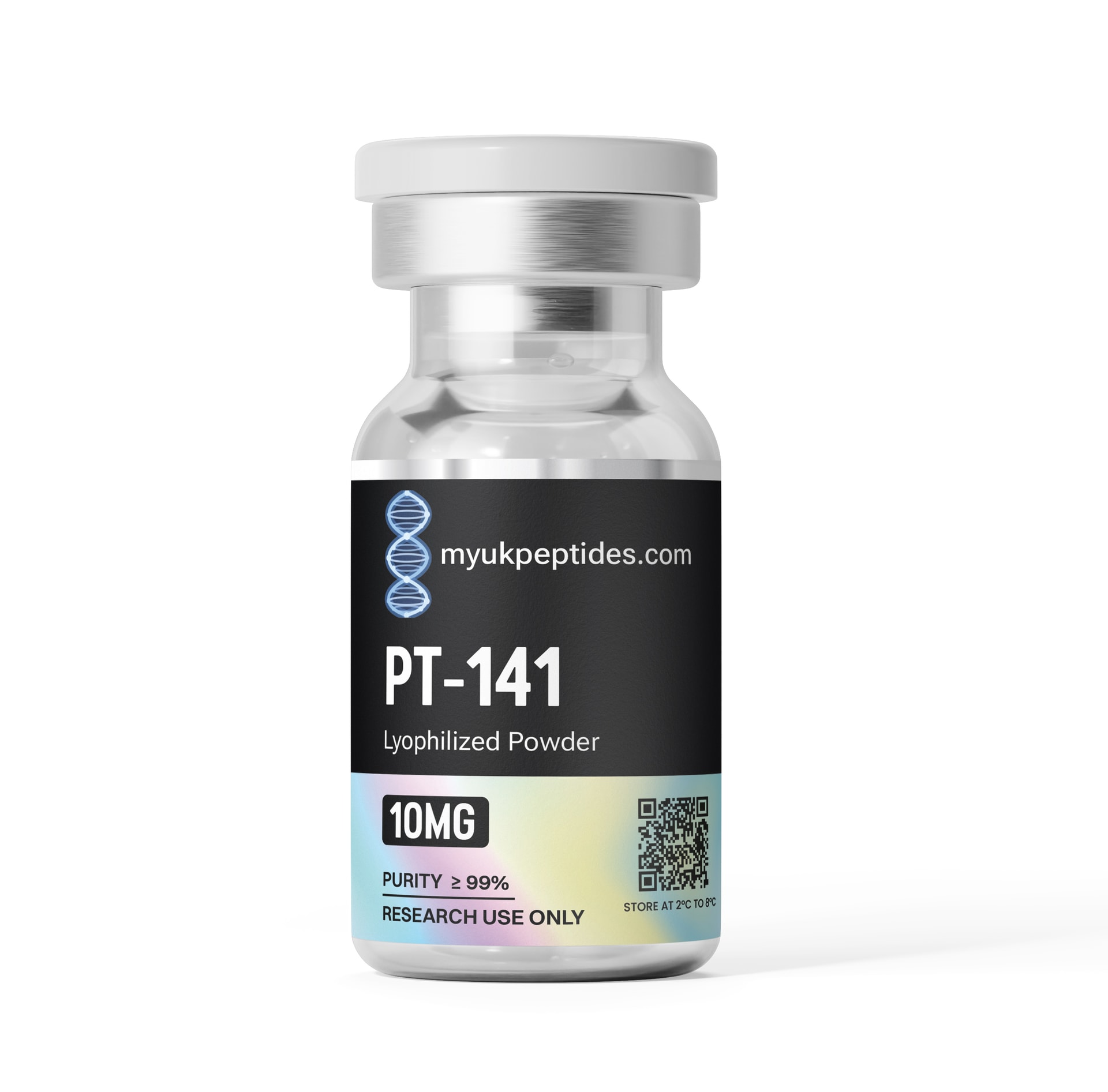 Shop PT-141 Bremelanotide 10mg£21.00
 Shop Epithalon 50mg£34.99
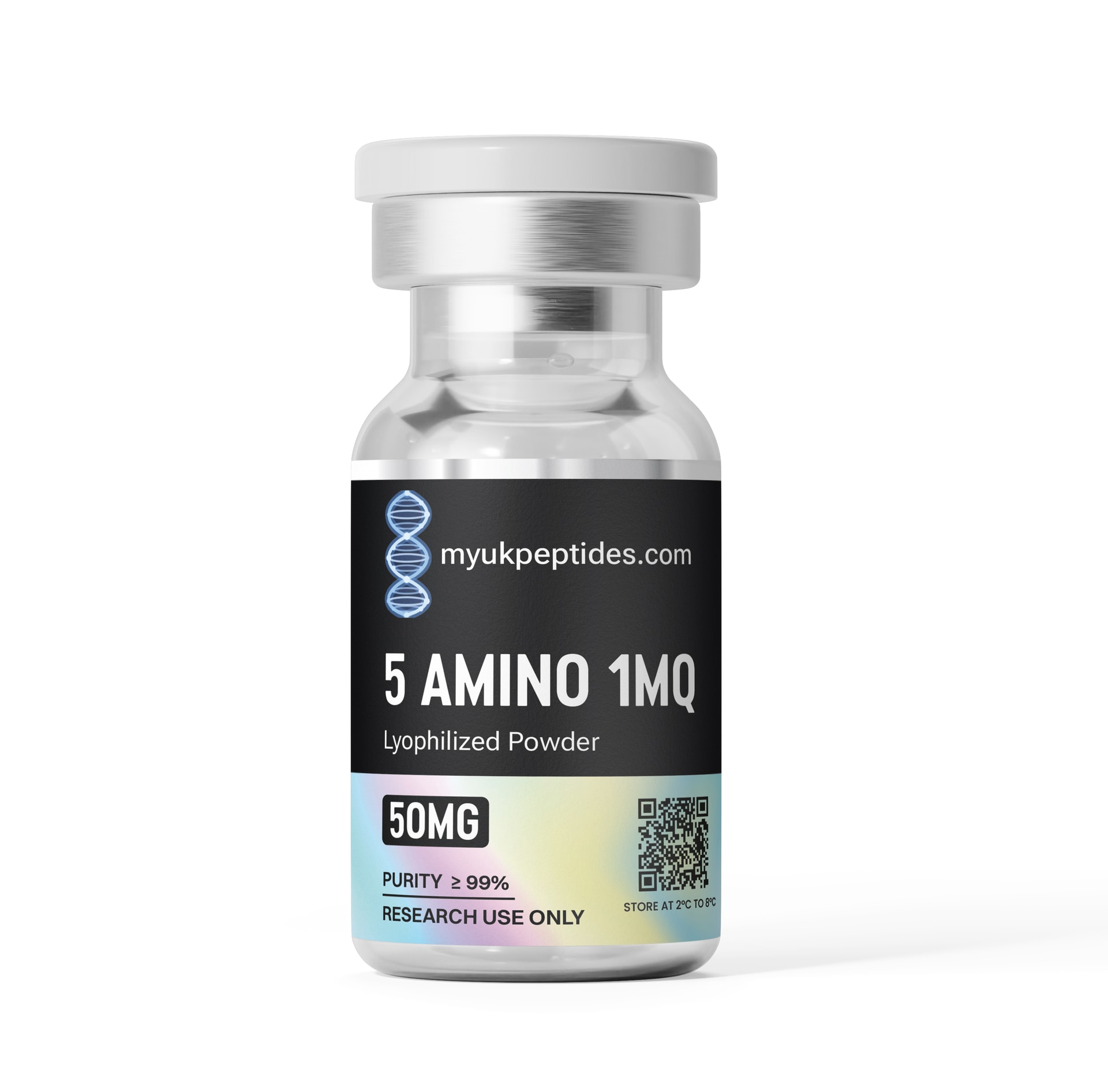 Shop 5 Amino 1 MQ 50mg£79.99
 Shop 10ml Acetic Acid 0.6%£6.00
Tested by
Independent third-party lab testing
99%+ Purity
High purity guaranteed on all peptides
Same Day Dispatch
Order before 3PM Mon–Fri
Fast UK Delivery
Next day delivery available. (Free Shipping on orders over £200)
Research Use Only
Lab grade quality assured
Comprehensive Peptide Glossary
Definitions of fundamental peptide science concepts — from amino acids to cellular structures. For research use only.
Welcome to our comprehensive glossary of peptide science terminology. Whether you are new to research peptides or an experienced scientist, this guide covers the essential concepts you need — from basic building blocks such as amino acids and peptide bonds through to advanced topics including cellular receptors, bioregulator peptides, and mitochondrial function. All products sold by My UK Peptides are for in-vitro laboratory research use only.
Core Peptide Science
Amino Acid
The fundamental building blocks of peptides and proteins. Each amino acid consists of a central carbon atom bonded to an amino group (–NH₂), a carboxyl group (–COOH), a hydrogen atom, and a distinctive side chain (R group) that determines its chemical properties. There are 20 standard amino acids encoded by the genetic code.
Peptide
A short chain of amino acids linked together by peptide bonds. Peptides typically contain between 2 and 50 amino acids, distinguishing them from longer polypeptides and proteins. They play critical roles in biological signalling, hormone regulation, and immune function, and are widely studied in laboratory research.
Peptide Bond
A covalent chemical bond formed between the carboxyl group (–COOH) of one amino acid and the amino group (–NH₂) of the next, with the release of a water molecule (condensation reaction). This bond is planar and relatively rigid, giving peptides their characteristic structural backbone.
Polypeptide
A long, continuous chain of amino acids joined by peptide bonds. Polypeptides containing more than approximately 50 amino acids are generally classified as proteins. The sequence of amino acids (primary structure) determines the folded shape and function of the resulting protein.
Oligopeptide
A peptide consisting of a small, defined number of amino acids — typically between 2 and 20. Di- and tripeptides are the simplest forms. Oligopeptides are often used as research tools to study receptor binding, enzyme activity, and cellular signalling.
Bioactive Peptides
Peptides studied for their interactions with biological systems in laboratory research settings. Categories under active investigation include antimicrobial peptides, immunomodulatory peptides, and peptides that interact with specific receptor pathways in cellular assays.
Synthetic Peptides
Peptides produced artificially via solid-phase peptide synthesis (SPPS) or other chemical methods rather than extracted from biological sources. Synthetic peptides allow precise control over sequence, purity, and isotopic labelling, making them invaluable tools in research.
Bioregulator Peptide
Short peptides — typically 2 to 4 amino acids — originally studied by Professor Vladimir Khavinson that are thought to regulate gene expression and cellular function in a tissue-specific manner. They were first identified in extracts of animal organs and are a subject of ongoing in-vitro research.
Peptide Types & Categories
GHRP — Growth Hormone-Releasing Peptides
A class of synthetic peptides studied for their interaction with ghrelin receptors and growth hormone signalling pathways in cellular and animal research models. Common research examples include GHRP-2 and GHRP-6. They are distinct from GHRH analogues such as CJC-1295.
Peptide Hormones
Chains of amino acids that function as chemical messengers. Well-known natural examples include insulin, glucagon, and oxytocin. Research analogues and related compounds are used in laboratory settings to study receptor binding, signal transduction, and metabolic pathways.
Neuropeptides
Small protein-like molecules used by neurons to communicate with each other and with other cells. They modulate a wide range of physiological processes including pain signalling, appetite, and circadian rhythm regulation, and are extensively studied in neuroscience research.
Mitochondrial Peptides
Peptides encoded by mitochondrial DNA or that interact with mitochondrial function. They are involved in energy production, apoptosis regulation, and cellular stress responses. Research into mitochondrial peptides such as humanin and MOTS-c is an active area of molecular biology.
Peptidomimetics
Small protein-like molecules designed to mimic the structure and biological activity of a natural peptide, but engineered with improved stability, bioavailability, or receptor specificity. They are used in research to probe receptor–ligand interactions and as templates for drug discovery.
BPC-157 (Body Protective Compound 157)
A pentadecapeptide (15 amino acids) derived from a protein found in gastric juice. It is widely studied in laboratory cell culture and animal model research for its apparent interactions with angiogenesis pathways, nitric oxide systems, and growth factor signalling.
TB-500 / Thymosin Beta-4
A naturally occurring 43-amino-acid peptide present in virtually all human and animal cells. It is studied for its roles in actin sequestration, cell migration, and tissue biology. TB-500 is a synthetic analogue used in research settings.
IGF-1 / Insulin-like Growth Factor 1
A peptide structurally similar to insulin, produced primarily in the liver in response to growth hormone stimulation. It is studied extensively in research for its role in cellular growth, differentiation, and metabolism. IGF-1 LR3 is a longer-acting research analogue.
Laboratory & Research Terms
Lyophilisation (Freeze-Drying)
A preservation process that removes water from a product while it is in a frozen state by reducing the surrounding pressure, allowing the ice to sublimate directly to vapour. Most research peptides are supplied in lyophilised powder form to maximise stability and shelf life during shipping and storage.
Reconstitution
The process of dissolving a lyophilised peptide powder in a suitable solvent — most commonly bacteriostatic water or dilute acetic acid — to produce a solution suitable for use in in-vitro research assays. Correct technique, including vial pressure equalisation and gentle mixing, is essential.
Bacteriostatic Water
Sterile water containing 0.9% benzyl alcohol as a preservative, used to reconstitute research peptides. The benzyl alcohol inhibits microbial growth, extending the usable life of the reconstituted solution typically to 2–8 weeks when stored at 2–8 °C.
Purity (>99%)
Refers to the percentage of the intended peptide compound present in the final product, expressed after removal of impurities, incomplete sequences, and by-products of synthesis. My UK Peptides maintains a minimum purity of >99% on all products, verified by HPLC and mass spectrometry.
Half-Life
The time required for the concentration of a compound to reduce by half under defined conditions (e.g. in cell culture medium at 37 °C). Understanding peptide half-life is important when designing in-vitro dosing schedules and interpreting experimental results.
HPLC — High-Performance Liquid Chromatography
An analytical technique used to separate, identify, and quantify components of a mixture. HPLC is the gold standard for verifying peptide purity, confirming that the target peptide is present at the stated concentration and that impurities are within acceptable limits.
Mass Spectrometry (MS)
An analytical tool used to measure the mass-to-charge ratio of ions, allowing confirmation of a peptide's molecular weight and sequence identity. Used alongside HPLC, mass spectrometry provides definitive verification that the synthesised peptide matches its intended structure.
Solid-Phase Peptide Synthesis (SPPS)
The dominant method for producing synthetic peptides in which the growing amino acid chain is anchored to a solid resin support. Amino acids are added sequentially, one at a time, in a protected form and then deprotected and cleaved from the resin to yield the final peptide.
Cellular & Molecular Biology
Receptor
A protein located on the cell surface or within the cytoplasm that binds a specific molecule (ligand), triggering an intracellular signalling cascade. Peptide receptors are classified by their structure and downstream signalling mechanisms, e.g. G-protein-coupled receptors (GPCRs) and receptor tyrosine kinases (RTKs).
Ligand
Any molecule that binds to a specific site on a receptor or other protein, altering its activity. Peptides frequently act as ligands for membrane receptors, mediating signalling events that regulate cell growth, differentiation, immune responses, and metabolism.
Signal Peptide
A short amino acid sequence (typically 16–30 residues) found at the N-terminus of a newly synthesised protein that directs it to the correct subcellular location — such as the endoplasmic reticulum, mitochondria, or extracellular secretory pathway — before being cleaved off.
Cytokines
Small, secreted proteins released by cells to regulate immune signalling and communication between cells. Several cytokines are peptides or contain peptide subunits, and cytokine-receptor interactions are an active area of research in immunology and inflammation biology.
Enzymes
Protein catalysts that accelerate biochemical reactions without being consumed in the process. Many enzymes that modify, cleave, or synthesise peptides are central to metabolism and cellular regulation, including proteases, kinases, and peptidases.
Mitochondria
Double-membrane organelles found in most eukaryotic cells and primarily responsible for producing ATP through oxidative phosphorylation. They also play important roles in calcium signalling, reactive oxygen species (ROS) regulation, and the initiation of apoptosis.
Endoplasmic Reticulum (ER)
A network of interconnected membranous tubules within the cell cytoplasm. The rough ER, studded with ribosomes, is the primary site of protein synthesis and folding; the smooth ER is involved in lipid synthesis and calcium storage. Many secreted peptides pass through the ER during processing.
Ribosome
Molecular machines present in all living cells that translate messenger RNA (mRNA) sequences into amino acid chains (proteins and peptides). Ribosomes can be free in the cytoplasm or attached to the rough endoplasmic reticulum, depending on the destination of the protein being synthesised.
Somatostatin
A cyclic peptide hormone (14 amino acids) that inhibits the secretion of growth hormone, insulin, glucagon, and several gastrointestinal hormones. It is studied in research contexts for its role in endocrine regulation and as a model for designing receptor-targeted analogues.
Cell Membrane
The phospholipid bilayer surrounding the cytoplasm of a cell, acting as a selective barrier that controls the movement of substances in and out. Many peptide hormones exert their effects by binding to receptor proteins embedded in the cell membrane.
Research Use Only
For laboratory research use only. Not for human or veterinary use.
Not for Human Use
Products are not intended for human or veterinary consumption.
Quality Guaranteed
Rigorous quality control on every batch from our state-of-the-art laboratory.