
My UK PeptidesTrusted UK Supplier of Research Peptides
UK Peptides Supplier
Popular Products
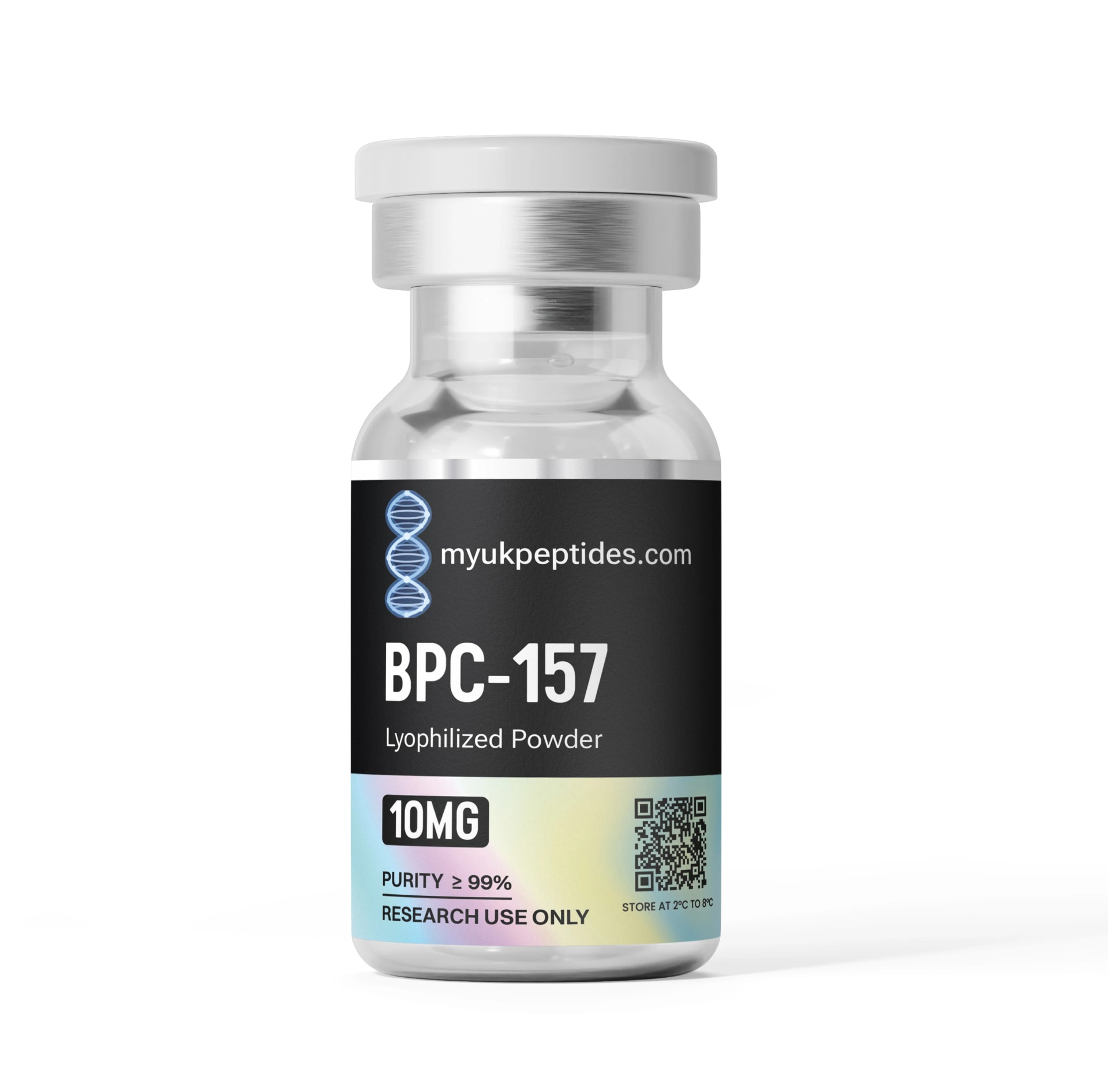 Shop BPC-157 10mg£26.99
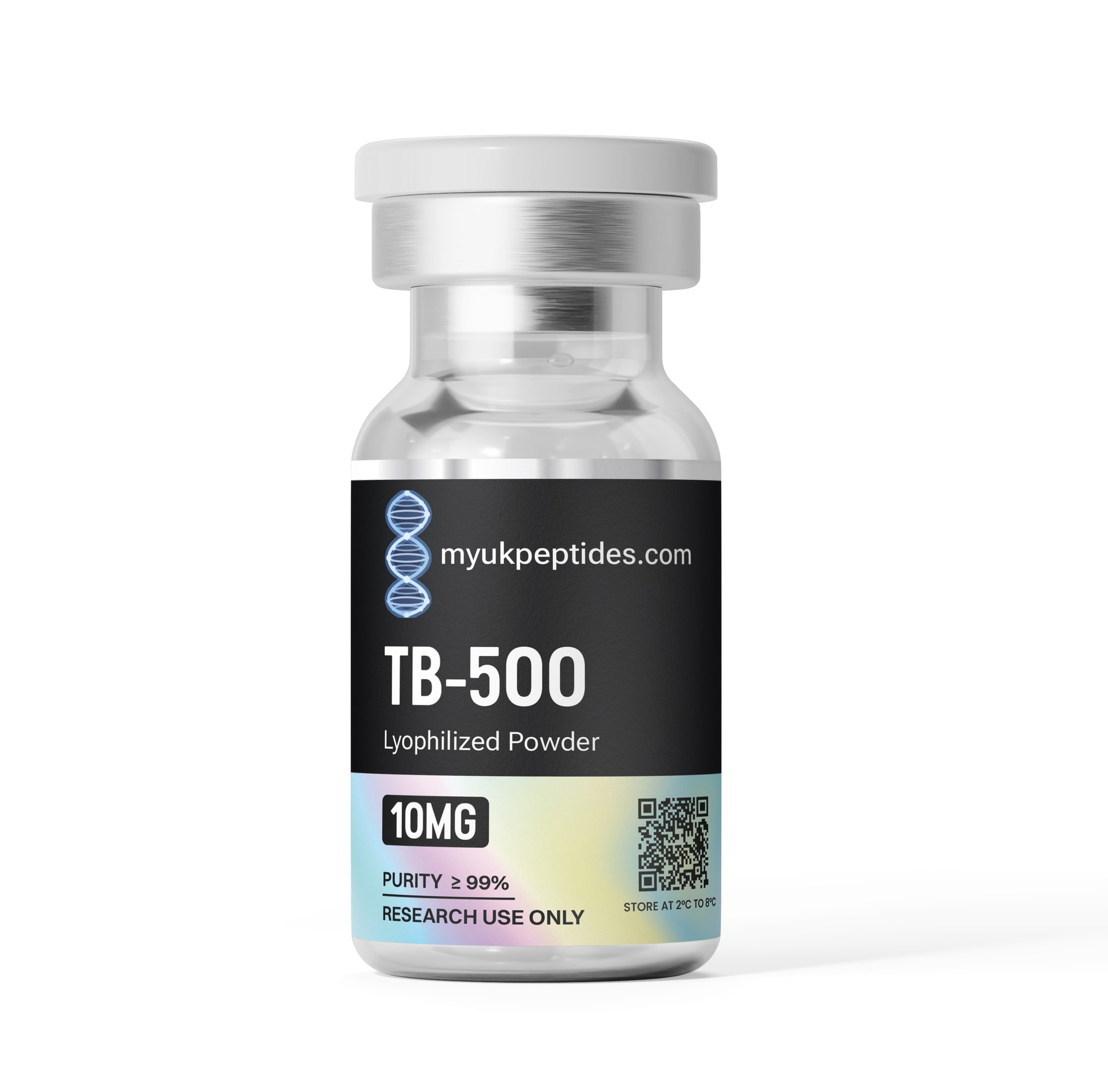 Shop TB500 10mg£39.99
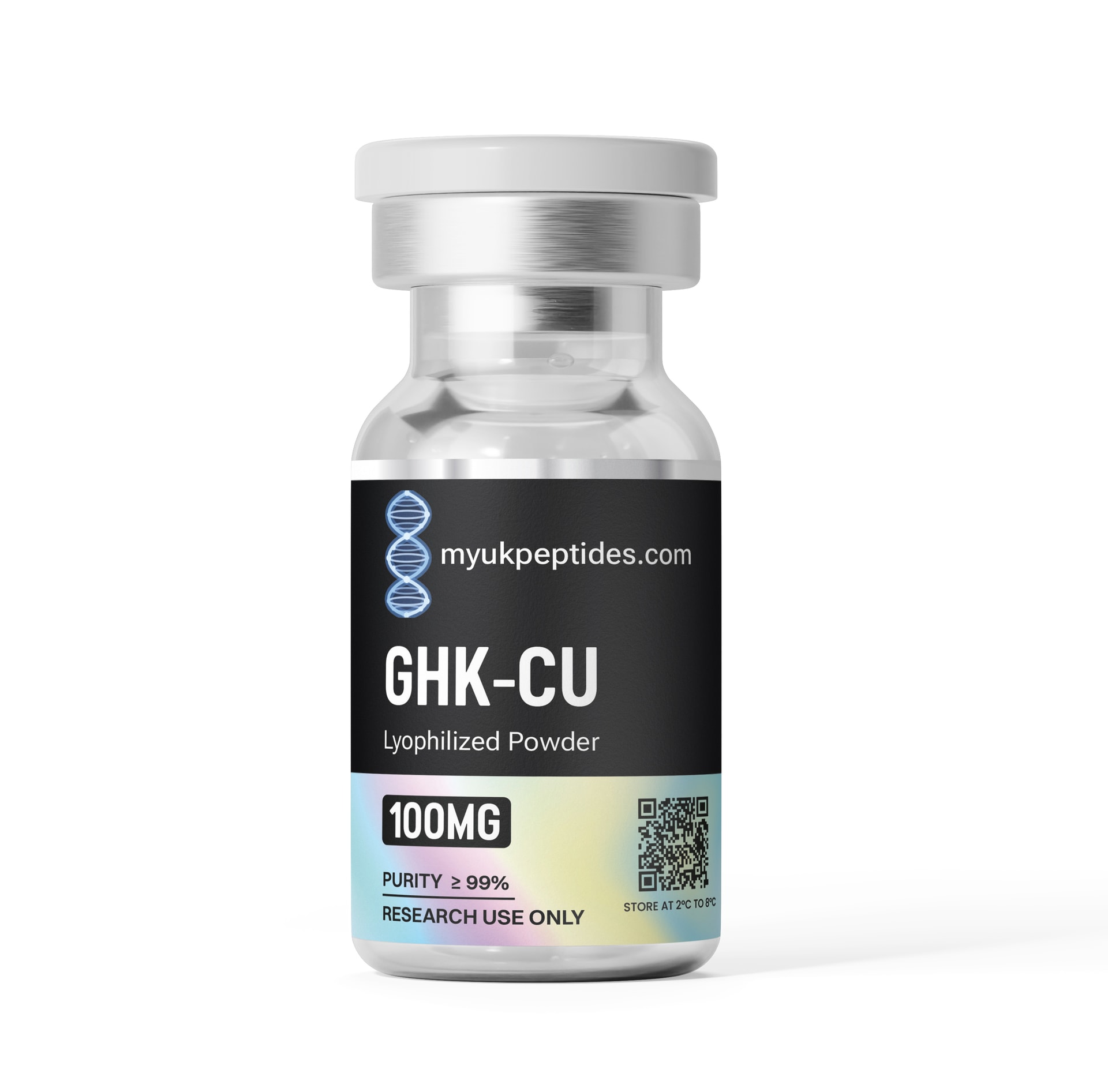 Shop GHK-Cu 100mg (Copper Peptide)£34.99
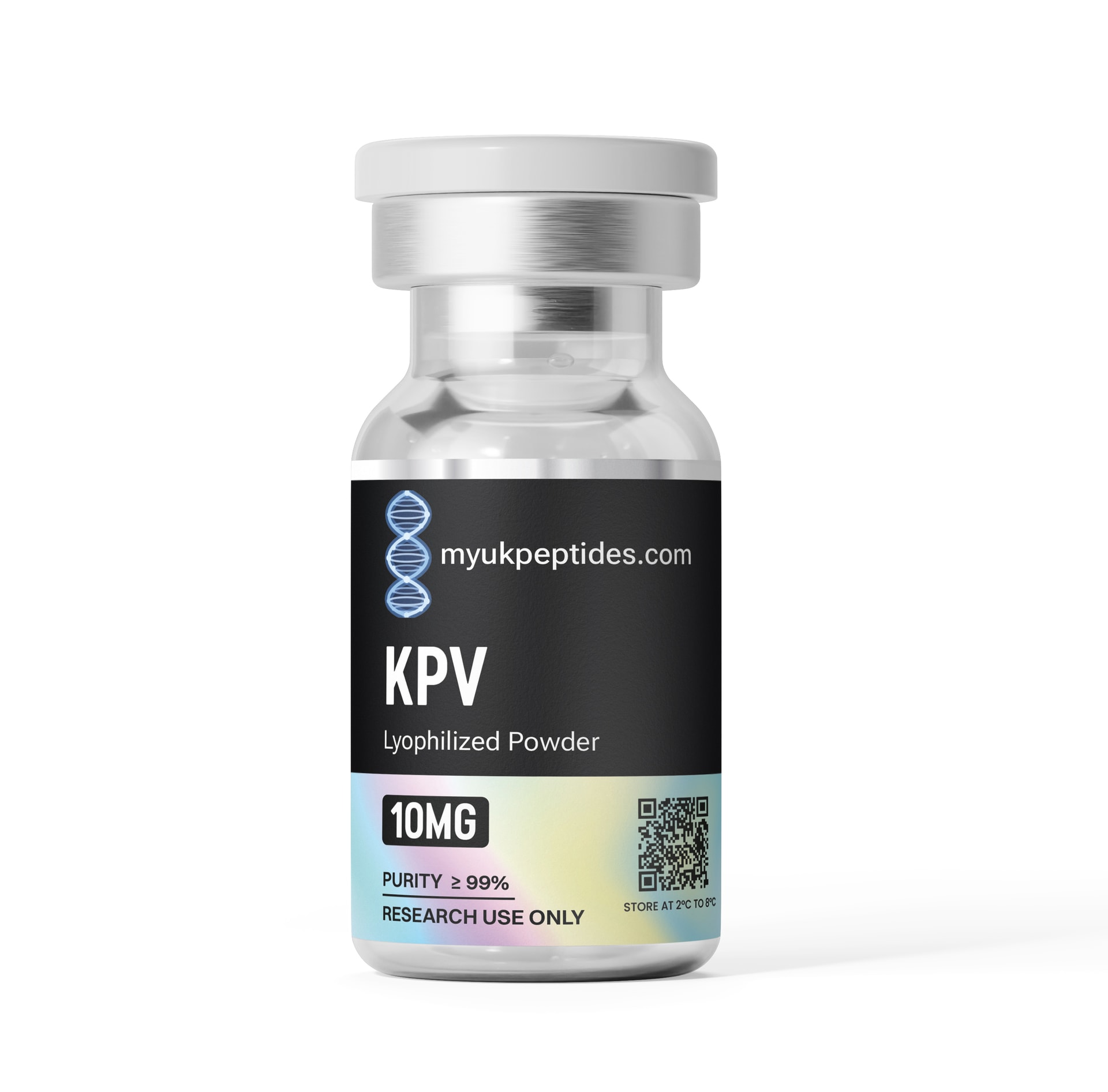 Shop KPV 10mg£49.00
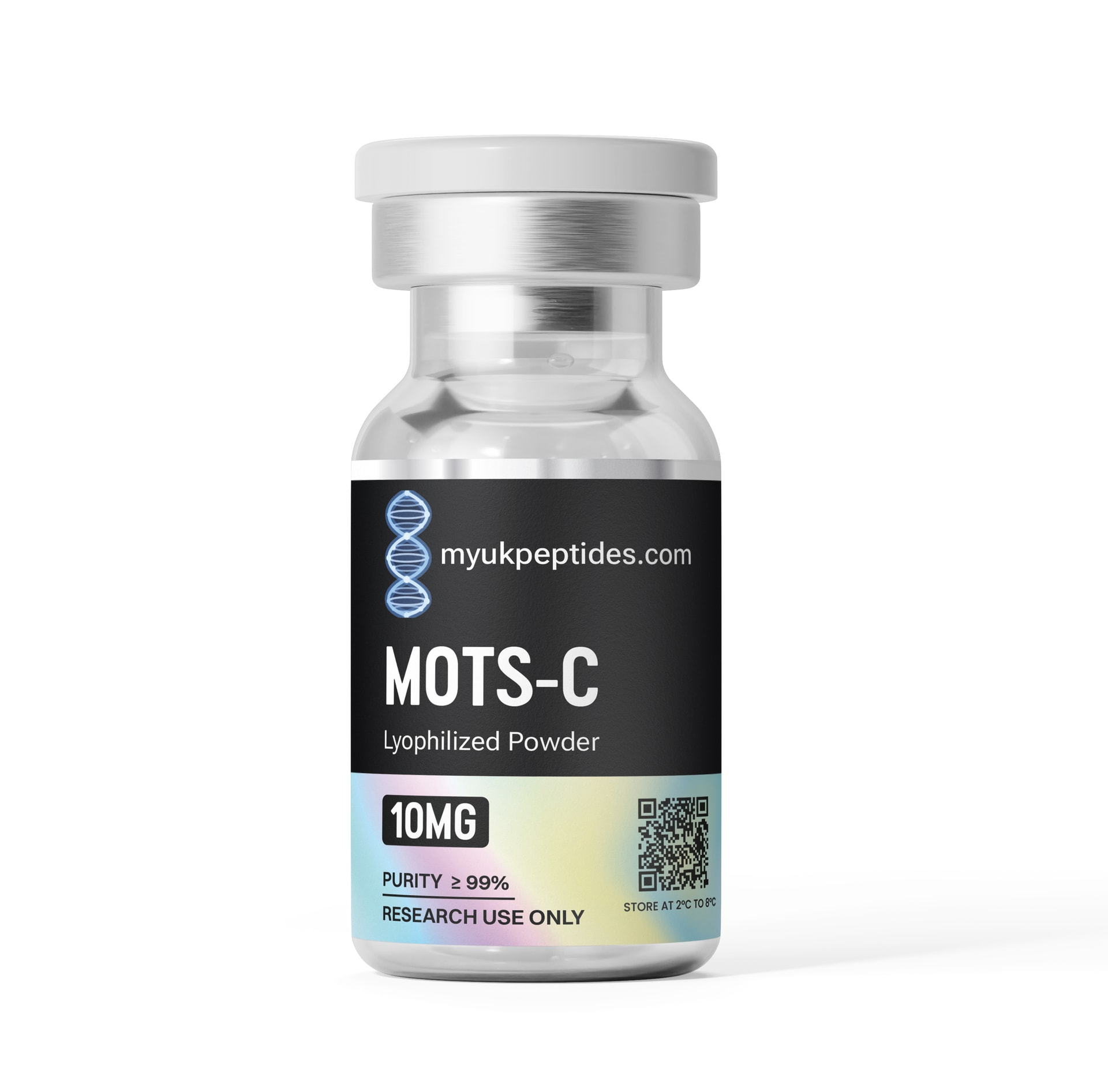 Shop MOTS-C 10mg£29.95
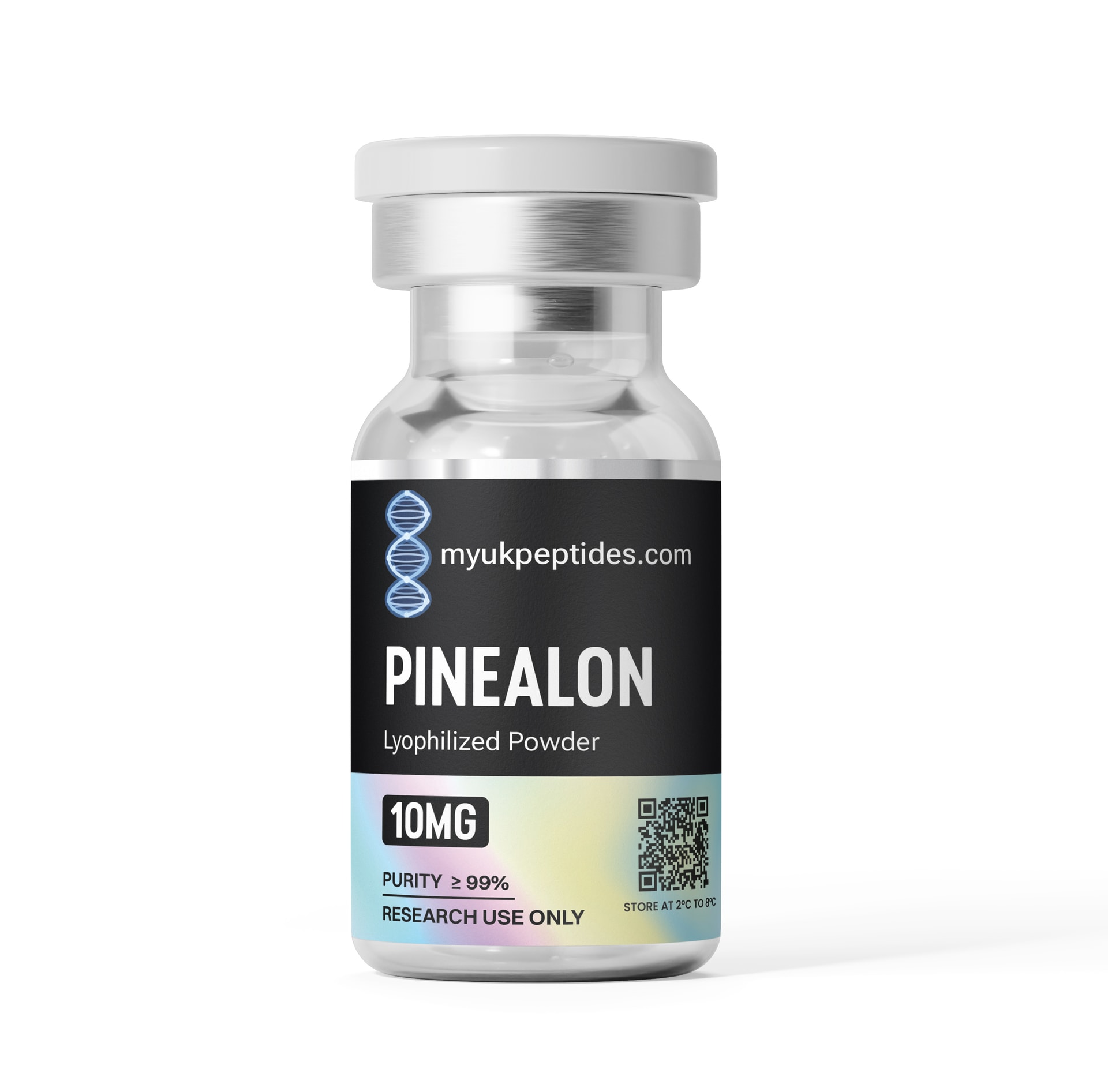 Shop Pinealon 10mg£39.99
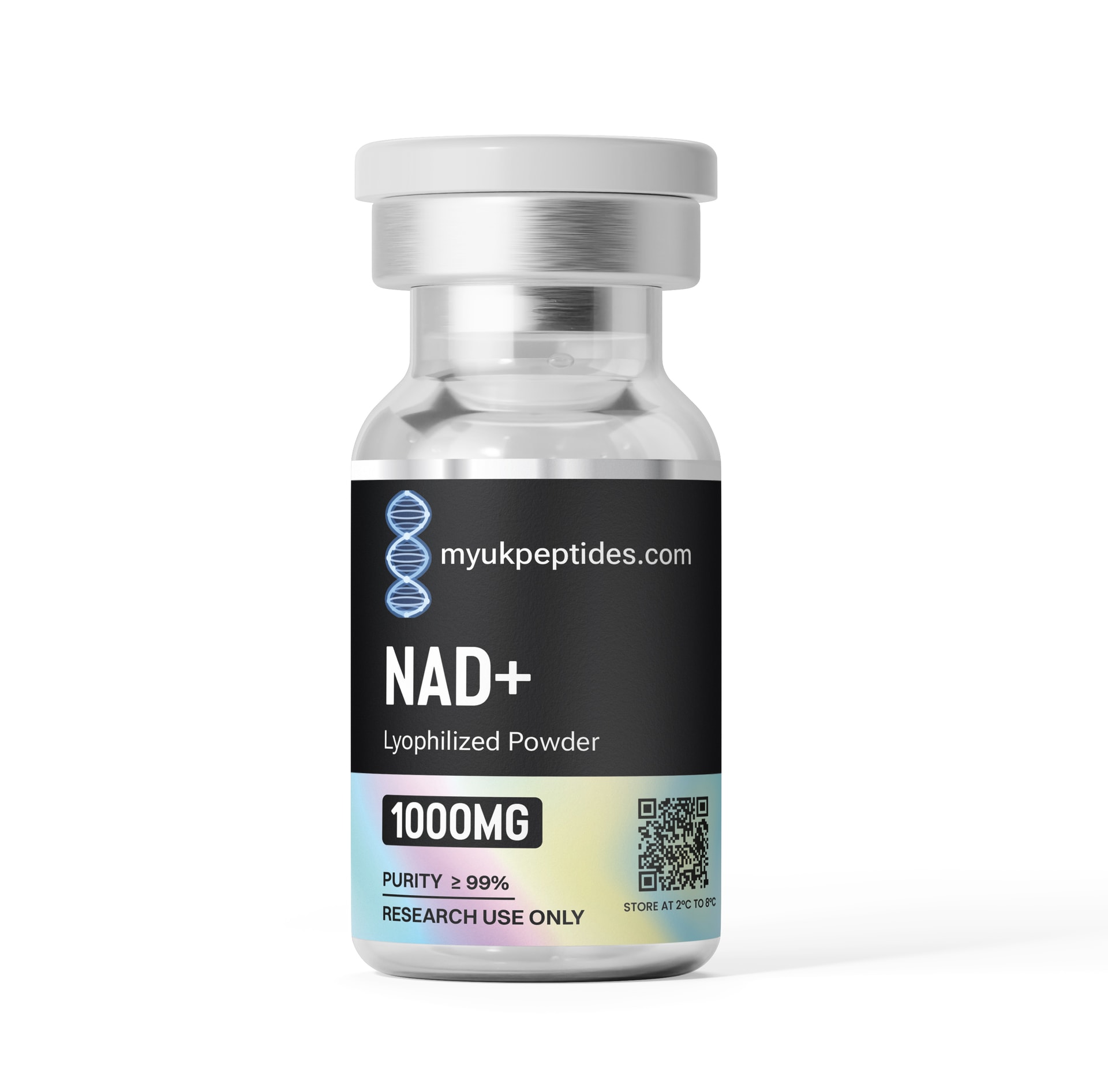 Shop NAD+ 1000mg (30mg vial)£99.99
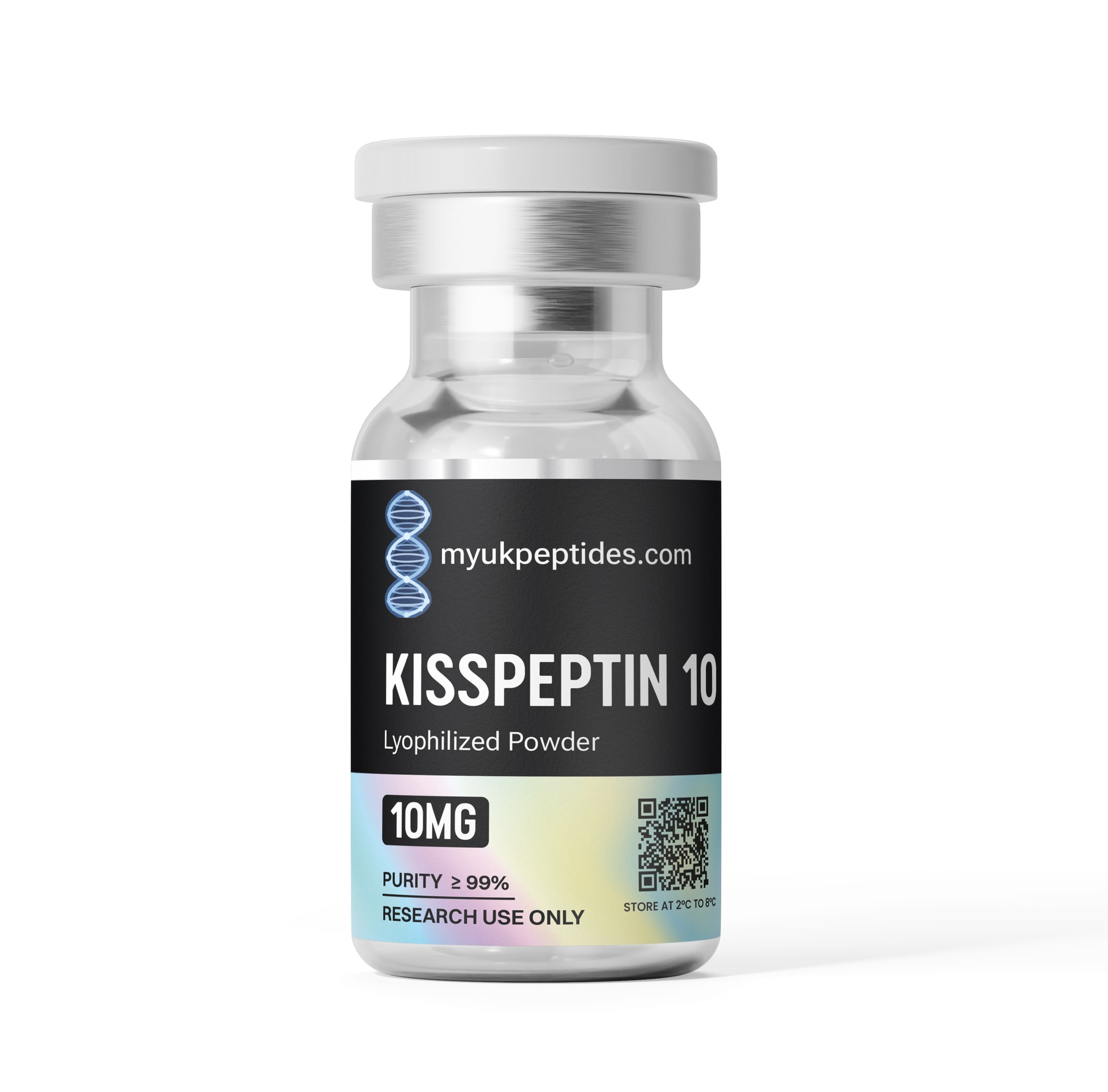 Shop KISSPEPTIN 10 10mg£34.99
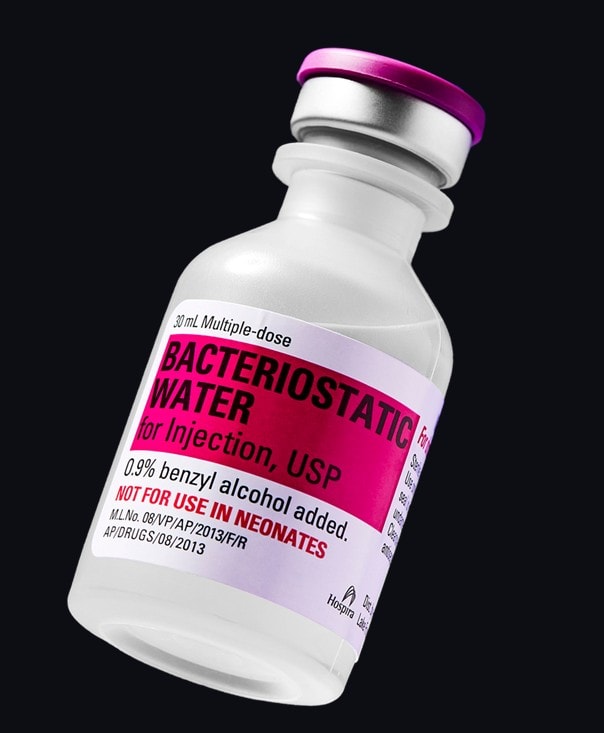 Sold OutShop Hospira 30ml Bac Water£50.00
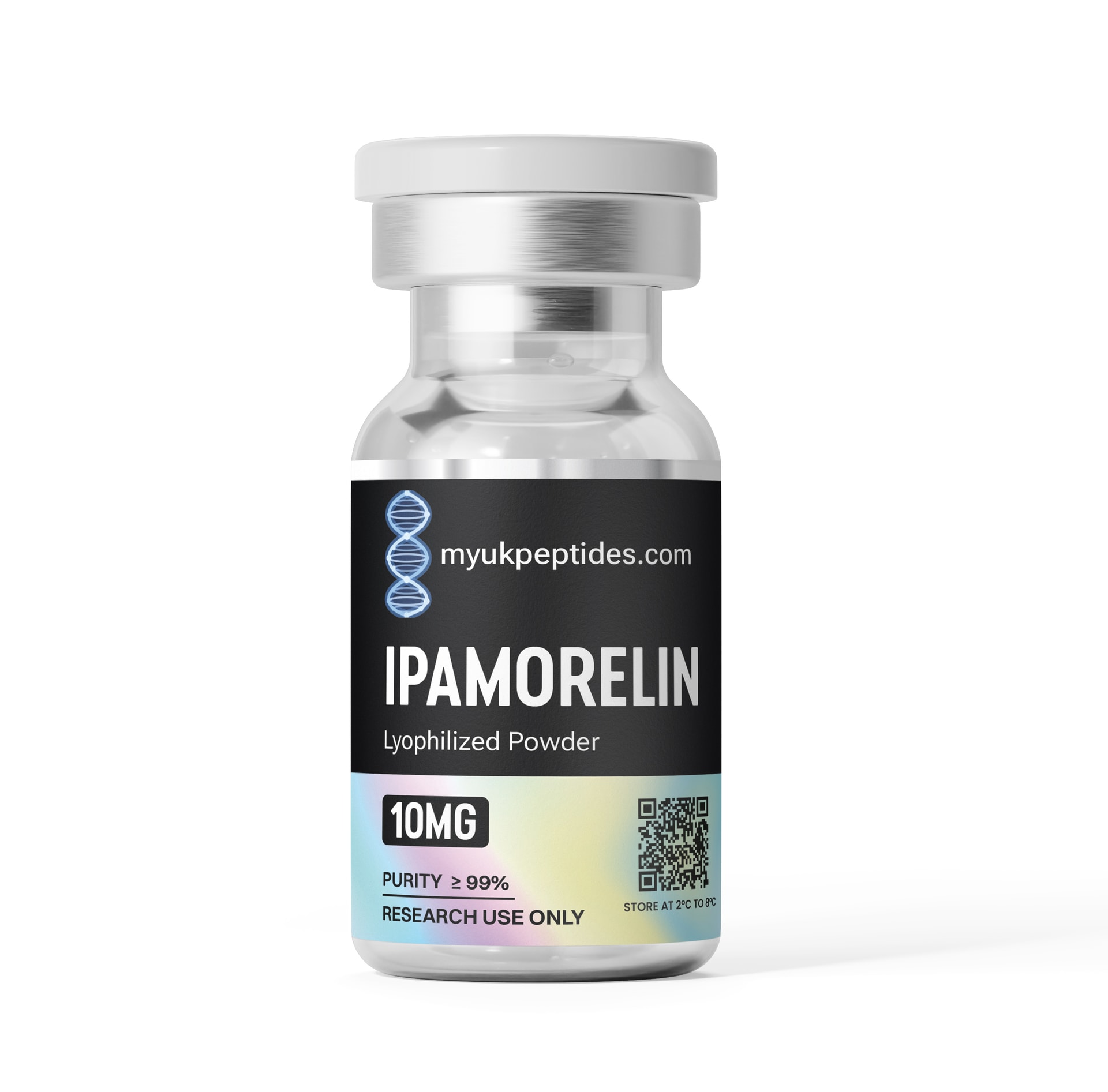 Shop Ipamorelin 10mg£39.99
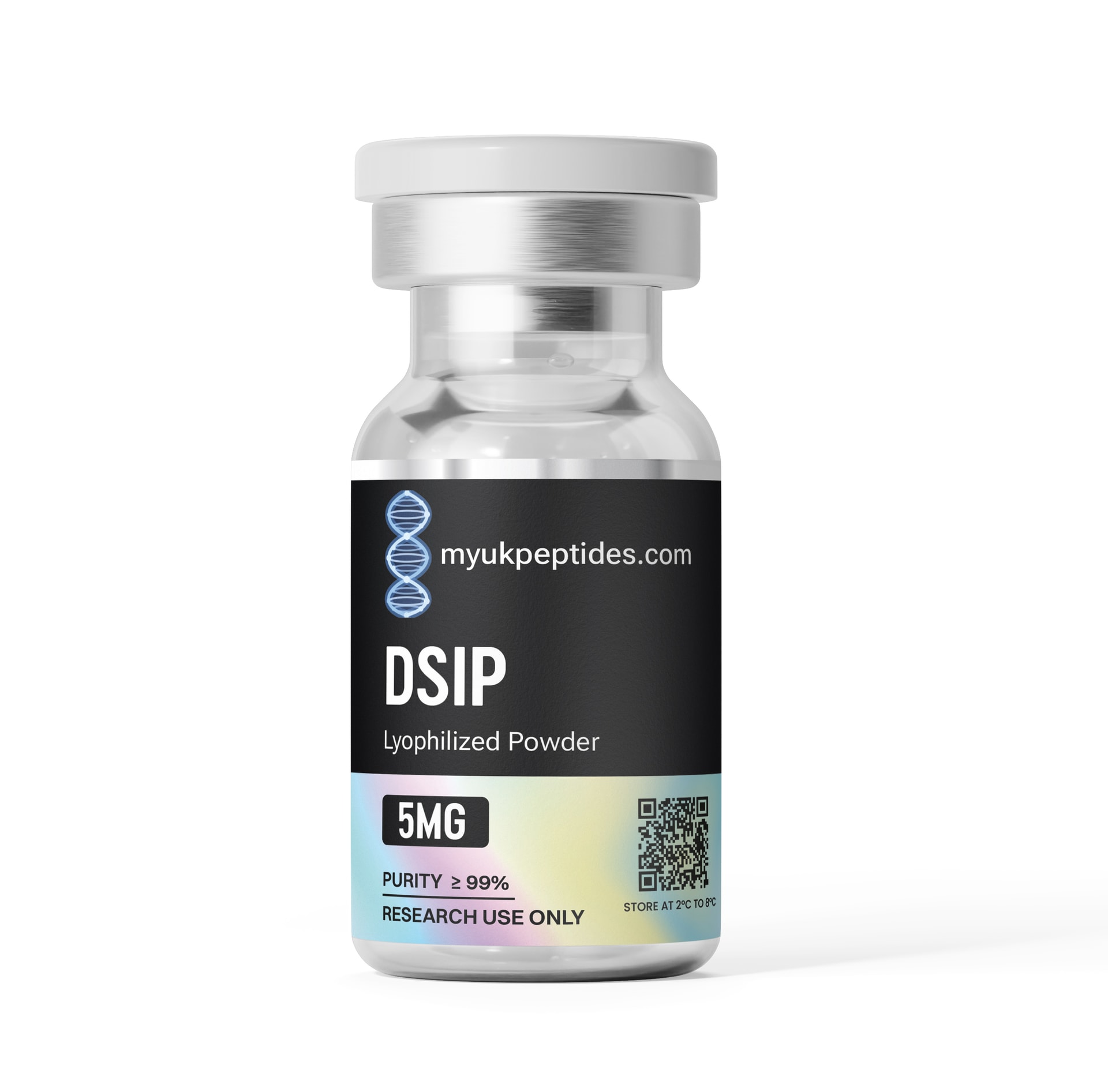 Shop DSIP 5mg£13.95
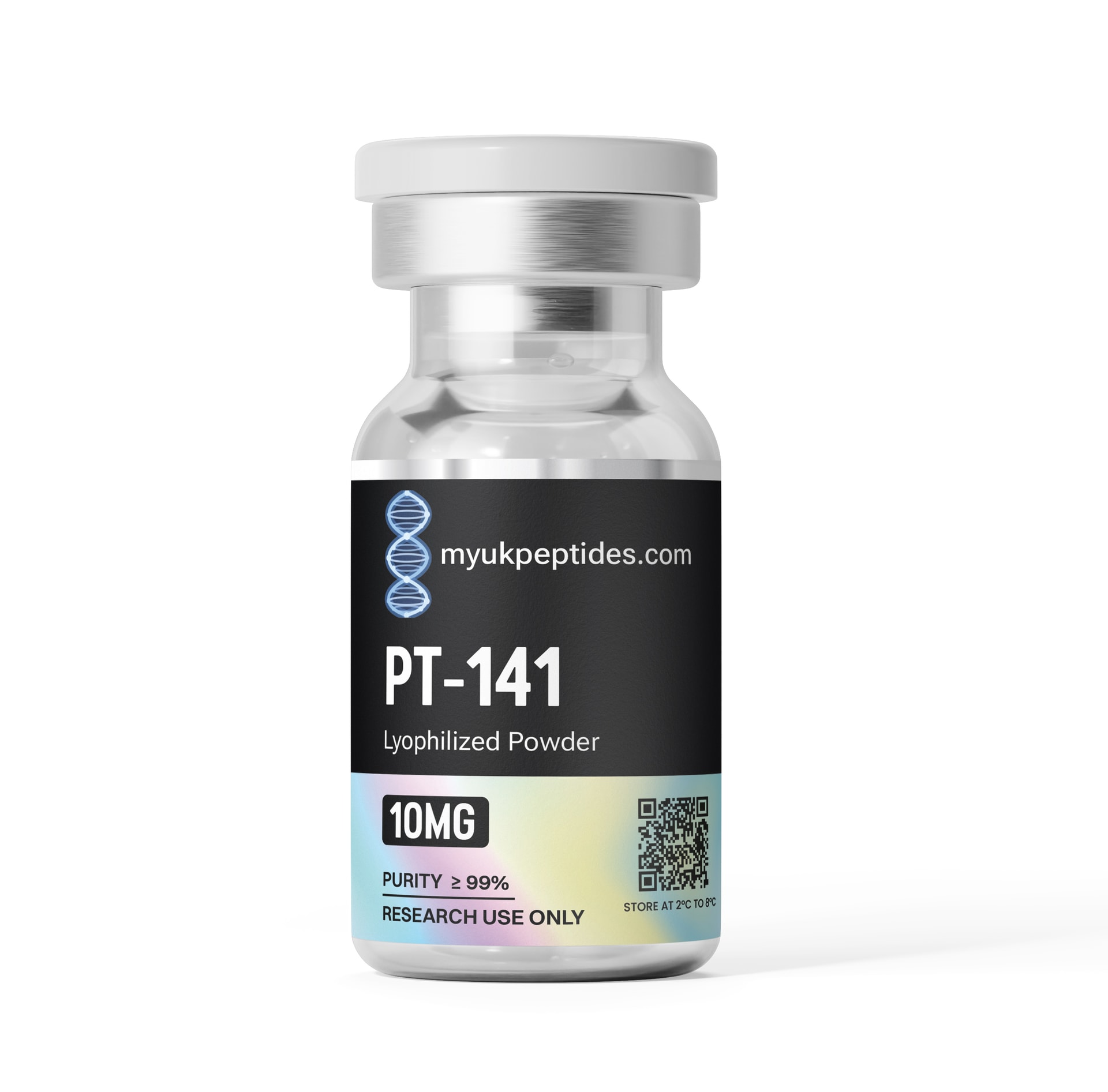 Shop PT-141 Bremelanotide 10mg£21.00
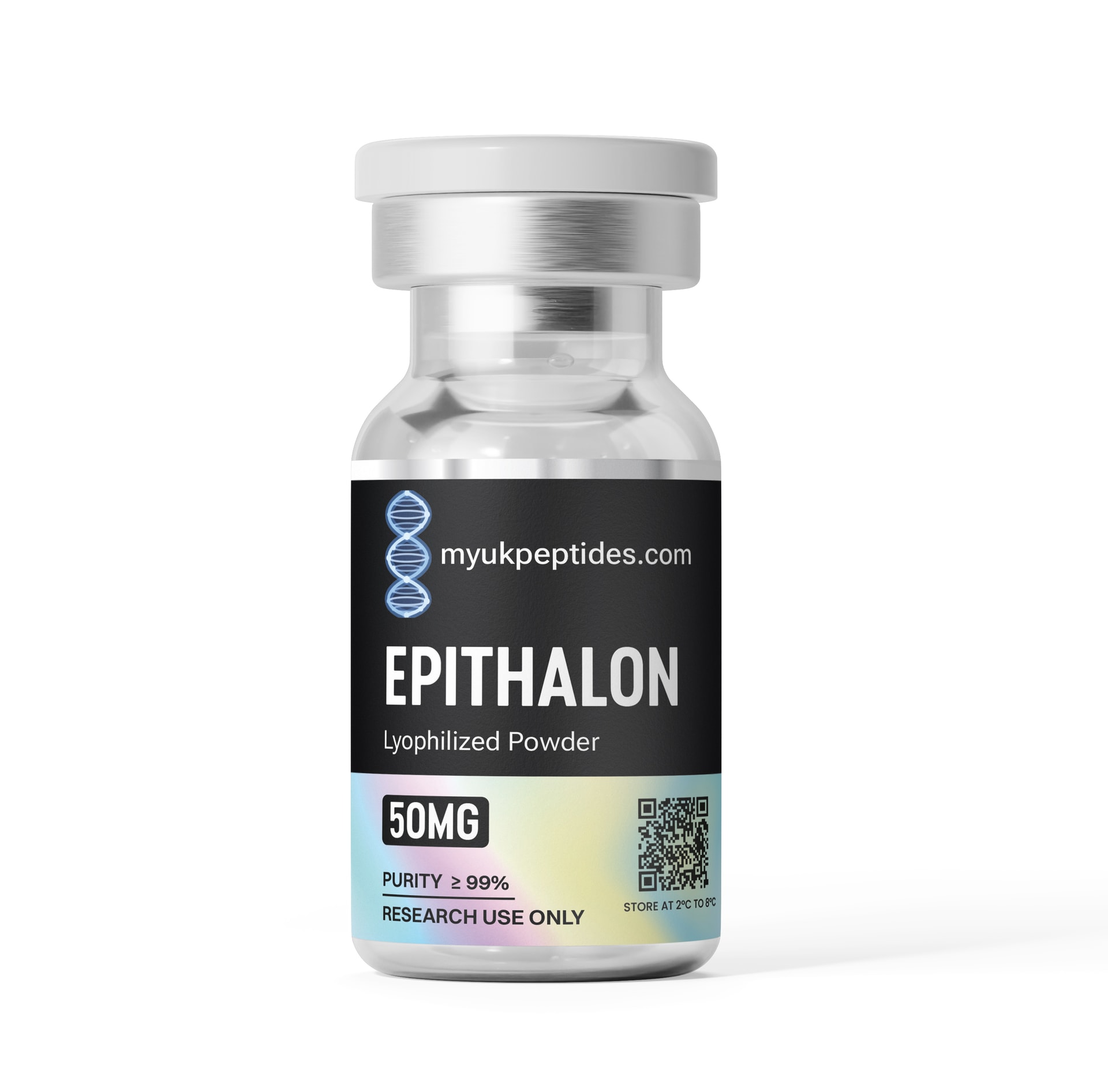 Shop Epithalon 50mg£34.99
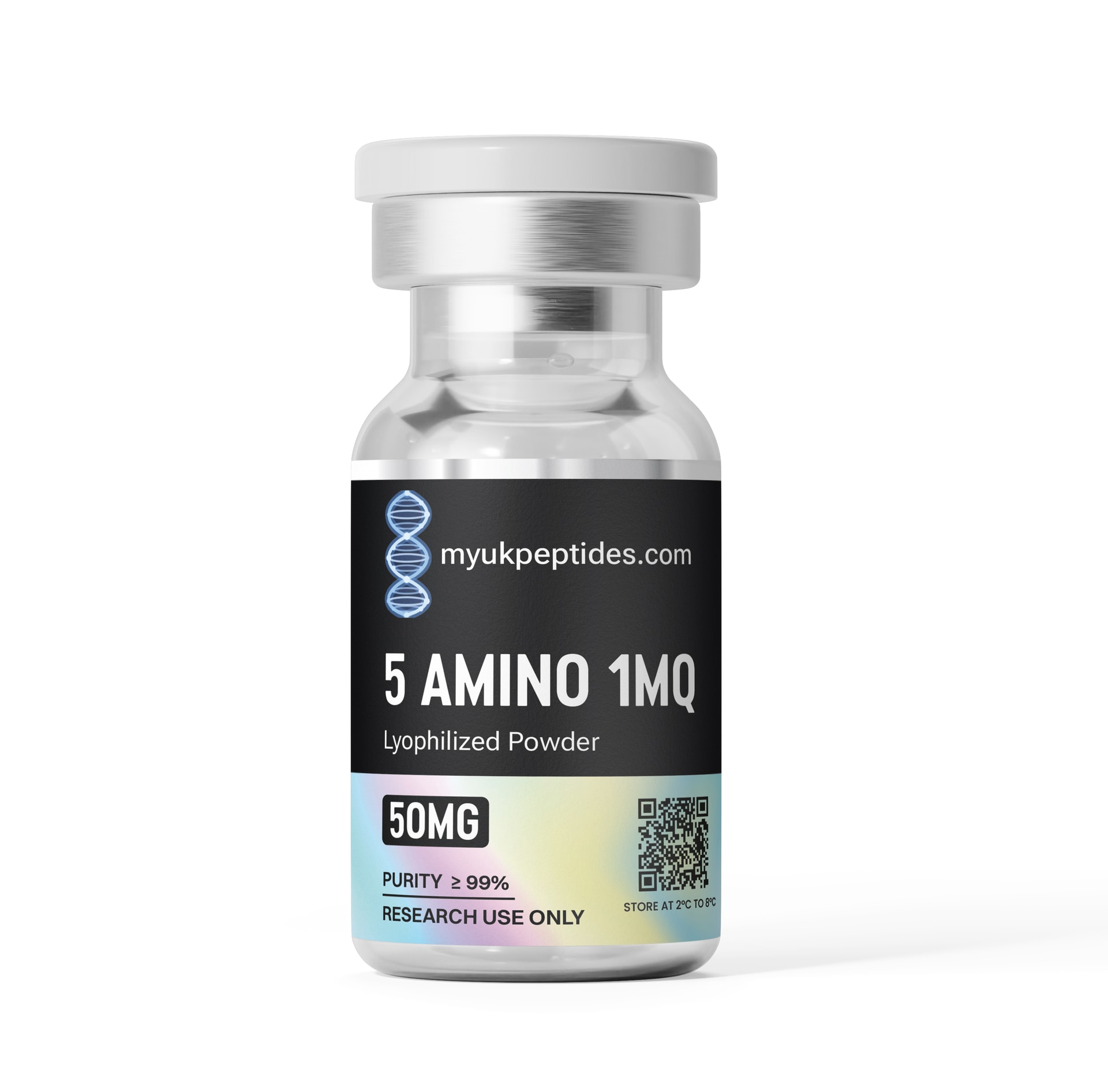 Shop 5 Amino 1 MQ 50mg£79.99
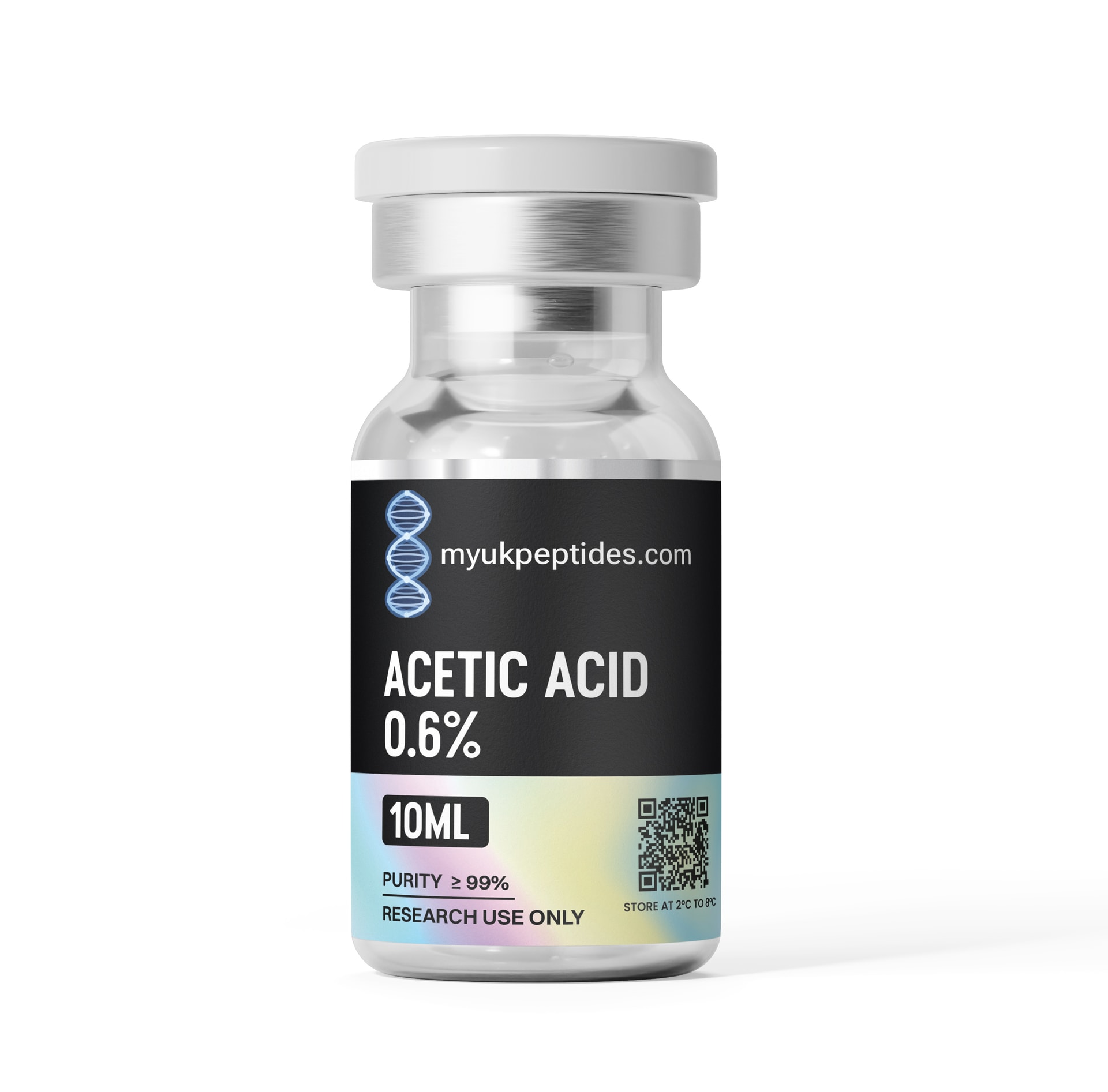 Shop 10ml Acetic Acid 0.6%£6.00
Tested by
Independent third-party lab testing
99%+ Purity
High purity guaranteed on all peptides
Same Day Dispatch
Order before 3PM Mon–Fri
Fast UK Delivery
Next day delivery available. (Free Shipping on orders over £200)
Research Use Only
Lab grade quality assured
Reconstituting & Storing Peptides
A practical reference guide covering storage temperatures, solvent selection, mixing technique, and stability durations.
Peptide Storage — Preserving Quality & Stability
Correct storage is the single most important factor in maintaining the structural integrity of a peptide. Lyophilised (freeze-dried) peptides are protected from UV light and travel well at ambient temperature, but we strongly recommend refrigerating them as soon as they arrive.
For long-term preservation, store peptides at −20 °C in a freezer — this keeps lyophilised peptides stable for up to 48 months. For shorter-term use, a standard laboratory refrigerator at 2–8 °C is sufficient. Avoid repeated freeze-thaw cycles, as these can degrade the peptide over time.
How to Reconstitute Peptides — Step-by-Step
Follow these steps in a clean laboratory environment using appropriate sterile technique. Never rush the reconstitution process — careful handling protects both peptide integrity and research accuracy.
Bring everything to room temperature
Remove both the peptide vial and your mixing solution (e.g. bacteriostatic water) from the fridge and allow them to reach room temperature before opening. Combining cold solutions can cause temporary cloudiness which may affect the reconstitution.
Equalise vial pressure
Some vials contain a partial vacuum while others carry positive pressure from the lyophilisation process. Before injecting solvent, insert a sterile needle that is half-filled with air through the rubber stopper. The vial will draw air in or release it, equalising the pressure and preventing solution loss through the stopper during mixing.
Choose the correct solvent
Bacteriostatic water is suitable for the majority of research peptides. Certain hydrophobic peptides dissolve more readily in a 50% aqueous acetic acid solution. Where specified by your protocol, prepare a stock solution at a higher concentration than required — this can be diluted later with the appropriate assay buffer.
Add the solvent and mix gently
Inject the solvent slowly down the inner wall of the vial rather than directly onto the powder. Use between 1 ml and 2.5 ml of solvent per vial unless your protocol specifies otherwise — excessive volumes can dilute and degrade the peptide. Once the solvent is added, gently swirl or roll the vial until the powder is fully dissolved. Do not shake or vortex vigorously as this can damage the peptide structure.
Inspect and store correctly
The reconstituted solution should be clear. If particles remain, brief sonication can help achieve full dissolution. Once dissolved, store the vial at 2–8 °C and use within the recommended window (typically 2–8 weeks, depending on the peptide). Always label with the reconstitution date.
Storage Duration Guide
Consult your product docs for exact figures.
| Type | Lyoph. −20 °C | Reconst. 2–8 °C |
|---|---|---|
| Basic | Up to 48 mo. | 2–8 wks |
| Acidic | Up to 48 mo. | 2–8 wks |
| Neutral | Up to 48 mo. | 2–8 wks |
| Hydrophobic | Up to 48 mo. | 2–8 wks |
| Hydrophilic | Up to 48 mo. | 2–8 wks |
Additional Research Tips
Filtration for purity
After reconstitution, filter through a 0.2 µm sterile filter to reduce bacterial contamination risk.
Sonication for stubborn powders
Brief low-intensity sonication in a water bath can encourage complete dissolution without mechanical damage.
Avoid freeze-thaw cycles
Aliquot the reconstituted solution into single-use volumes before freezing so each aliquot is only thawed once.
Sterile technique
Use fresh sterile needles and syringes and minimise the time vials spend open to reduce contamination risk.
Research Calculators
Use these tools to assist with in-vitro research calculations. All results are for laboratory research use only and are not intended for human or veterinary application.
Peptide Reconstitution Calculator
For in-vitro research only — not for human or veterinary use
Recommended: 1–2.5 mL per vial
Quick conversions
1 mL = 100 IU · 1 mg = 1,000 mcg · 1 IU = 0.01 mL
Peptide Stability & pH Calculator
Generalised in-vitro estimates — not for human or veterinary use
Estimates are based on generalised in-vitro research data. Actual stability may vary depending on specific peptide sequence, excipients, container quality, and handling. Always follow your protocol. Results are for research use only.
Research Use Only
For laboratory research use only. Not for human or veterinary use.
Not for Human Use
Products are not intended for human or veterinary consumption.
Quality Guaranteed
Rigorous quality control on every batch from our state-of-the-art laboratory.