
My UK PeptidesTrusted UK Supplier of Research Peptides
UK Peptides Supplier
Popular Products
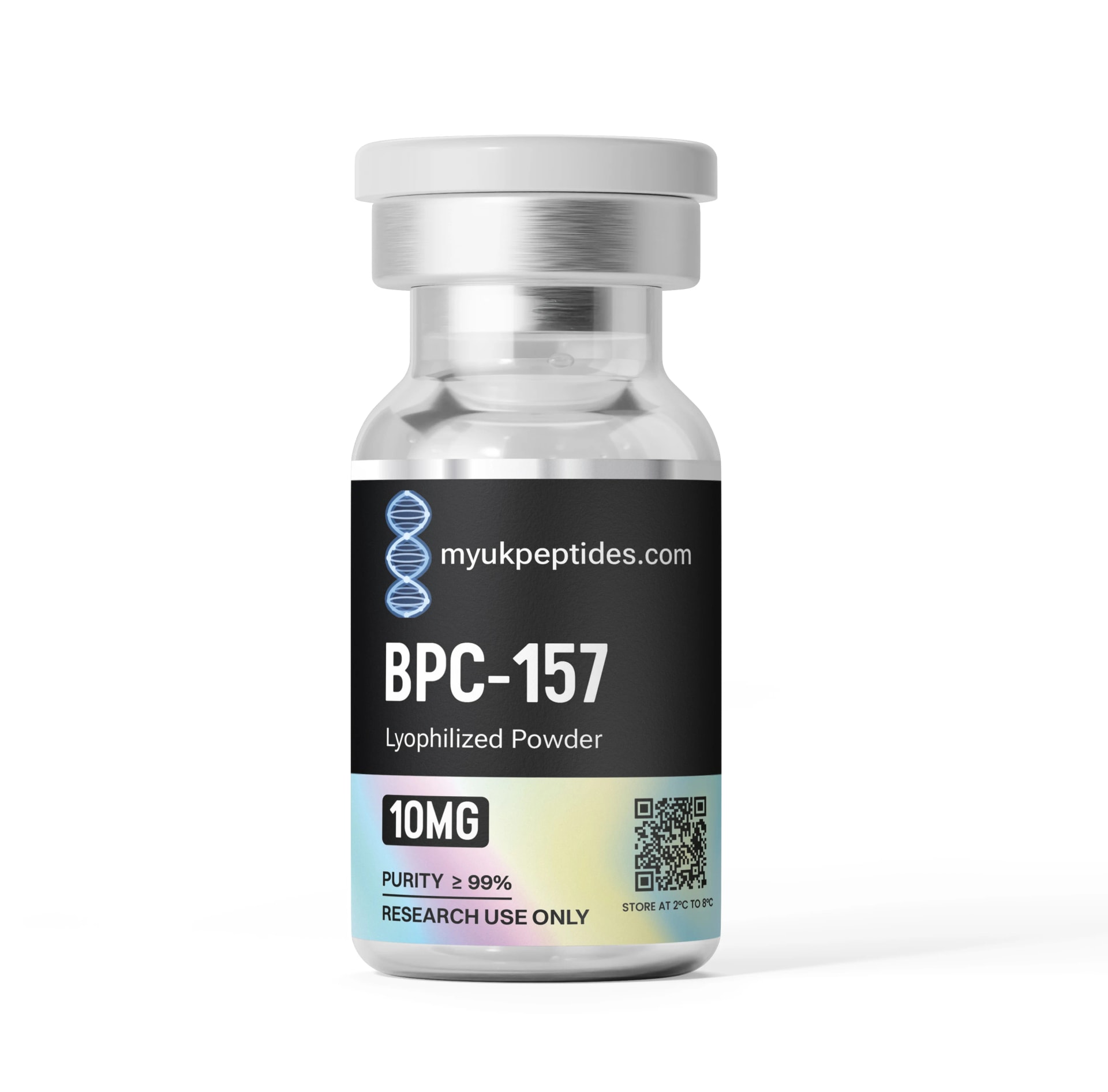 Shop BPC-157 10mg£26.99
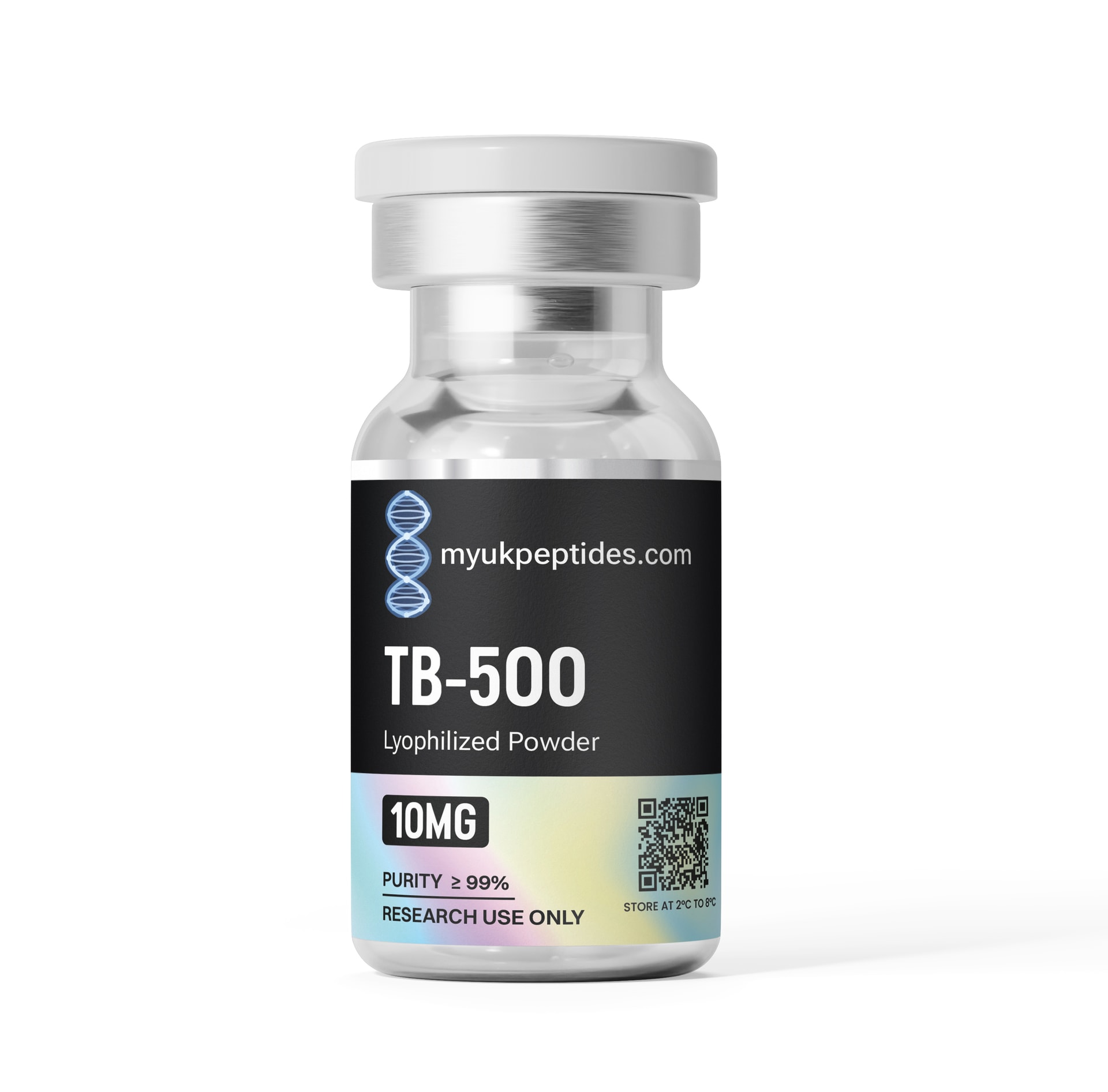 Shop TB500 10mg£39.99
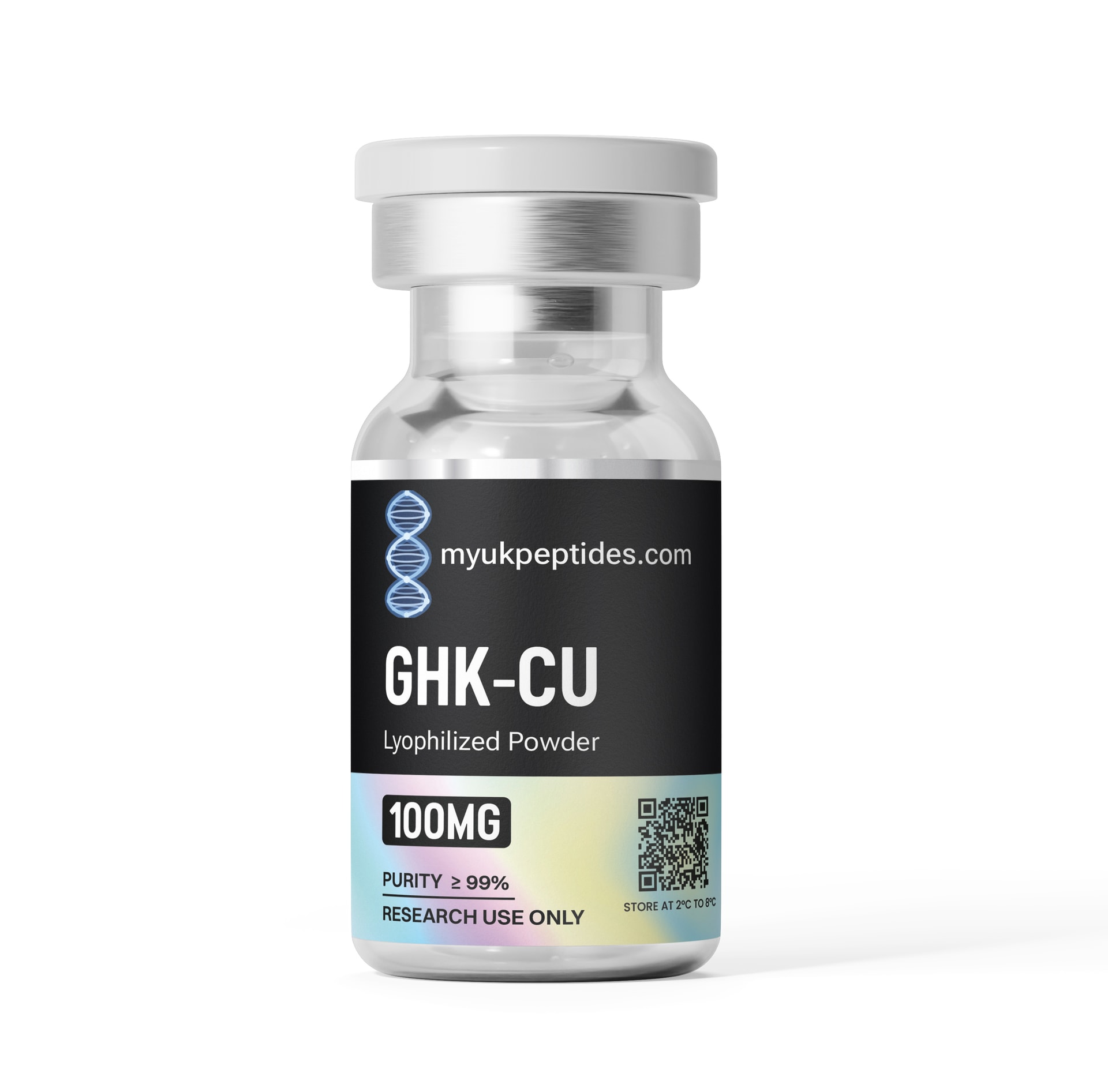 Shop GHK-Cu 100mg (Copper Peptide)£34.99
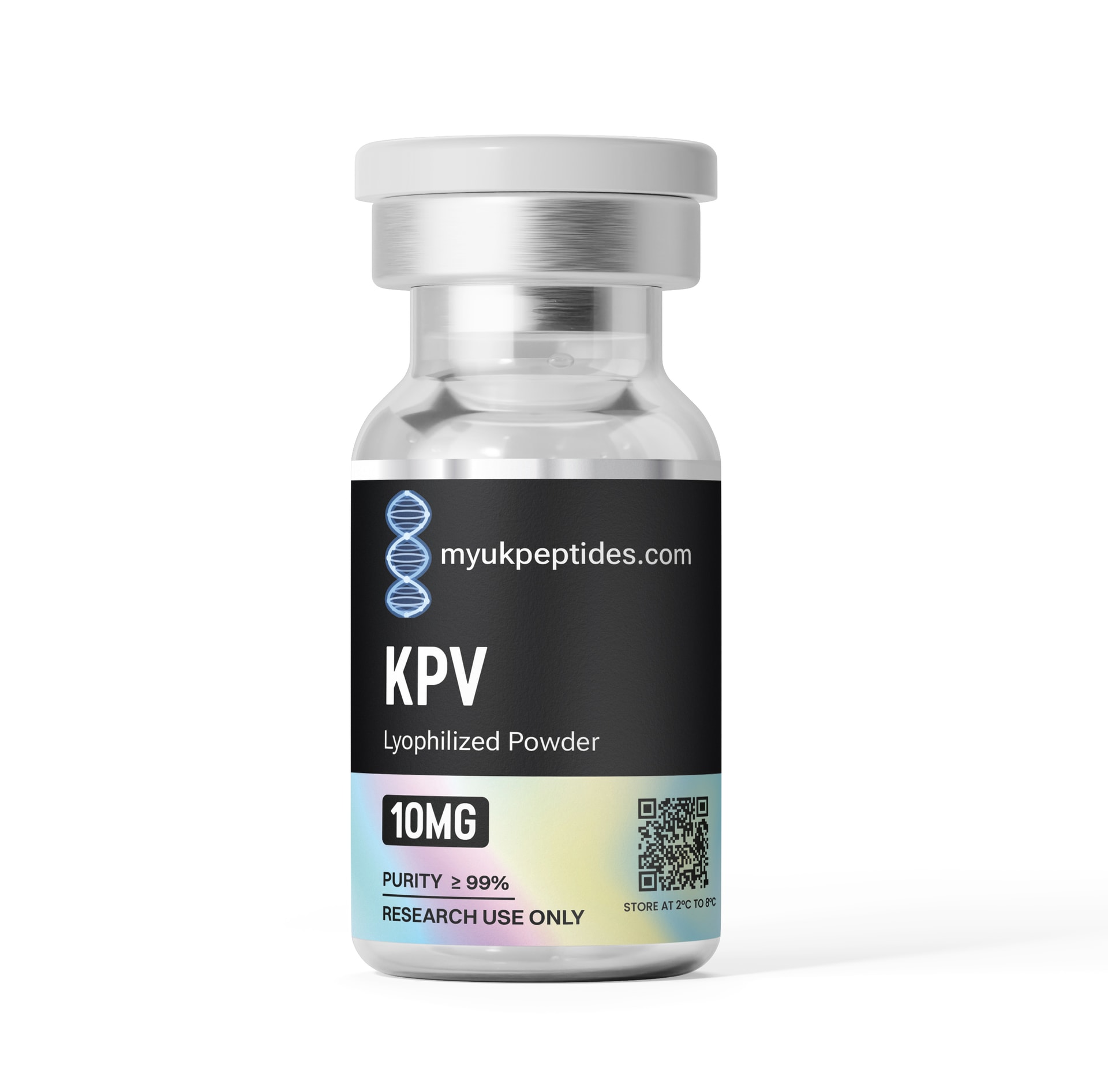 Shop KPV 10mg£49.00
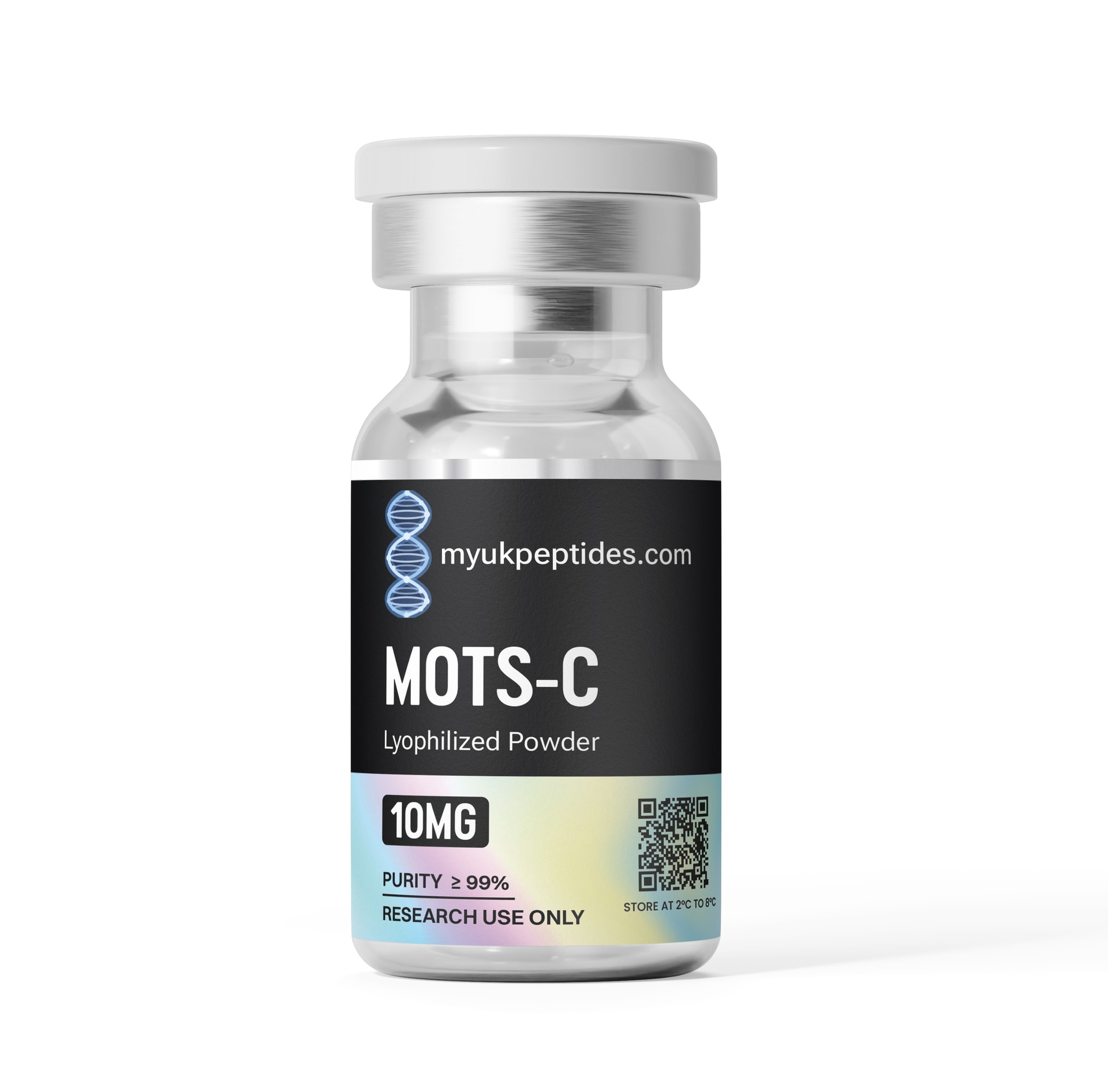 Shop MOTS-C 10mg£29.95
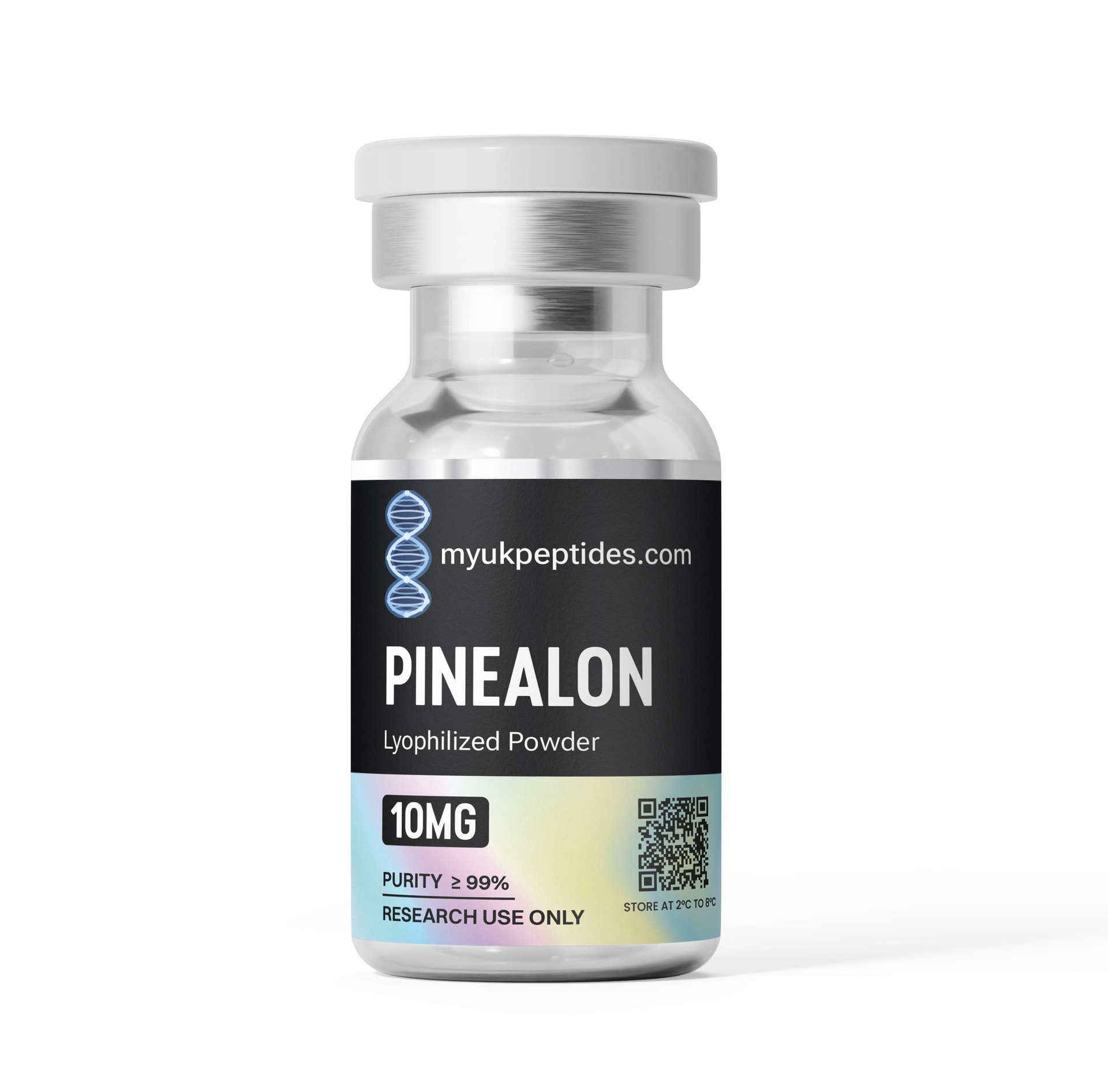 Shop Pinealon 10mg£39.99
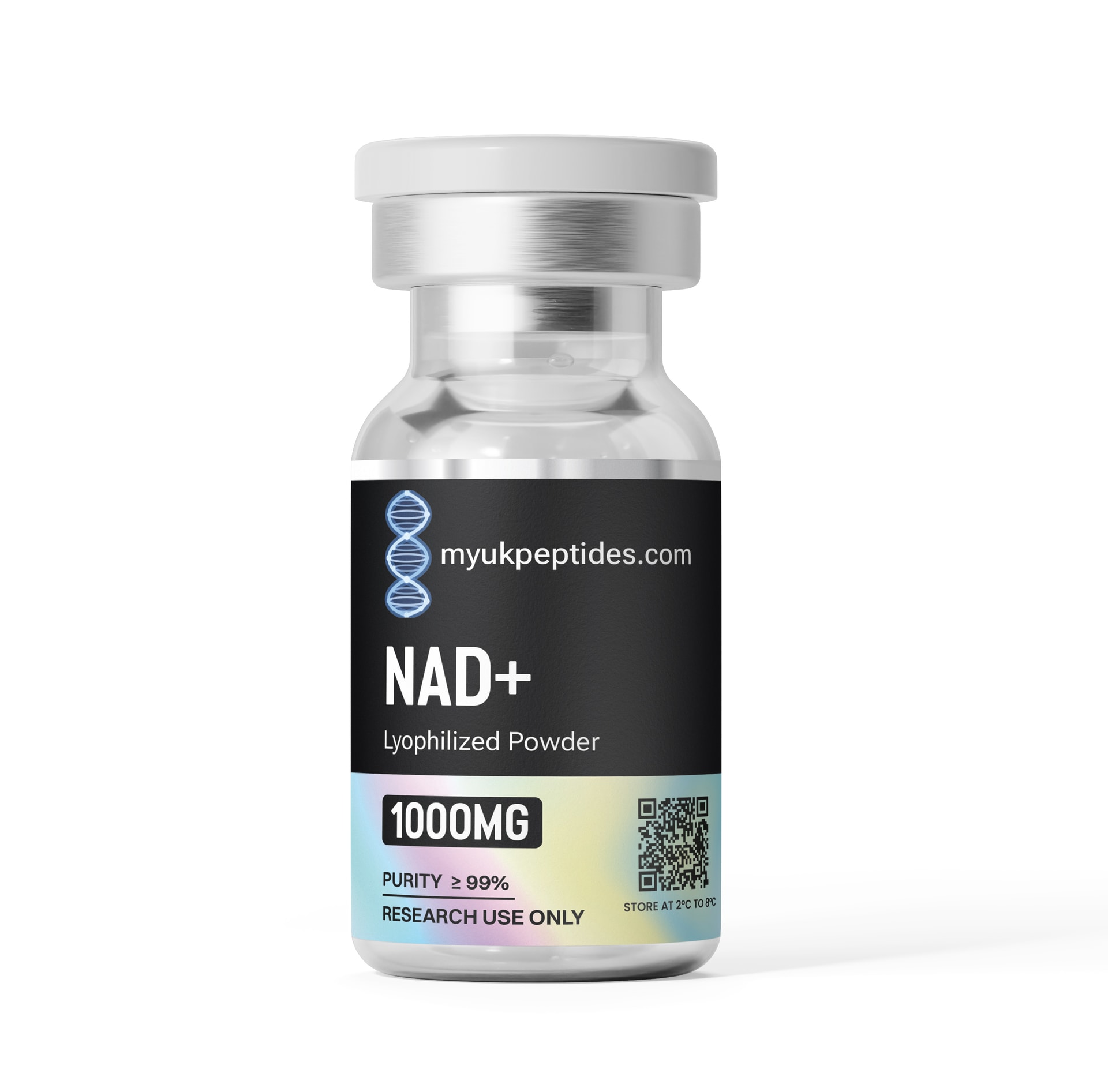 Shop NAD+ 1000mg (30mg vial)£99.99
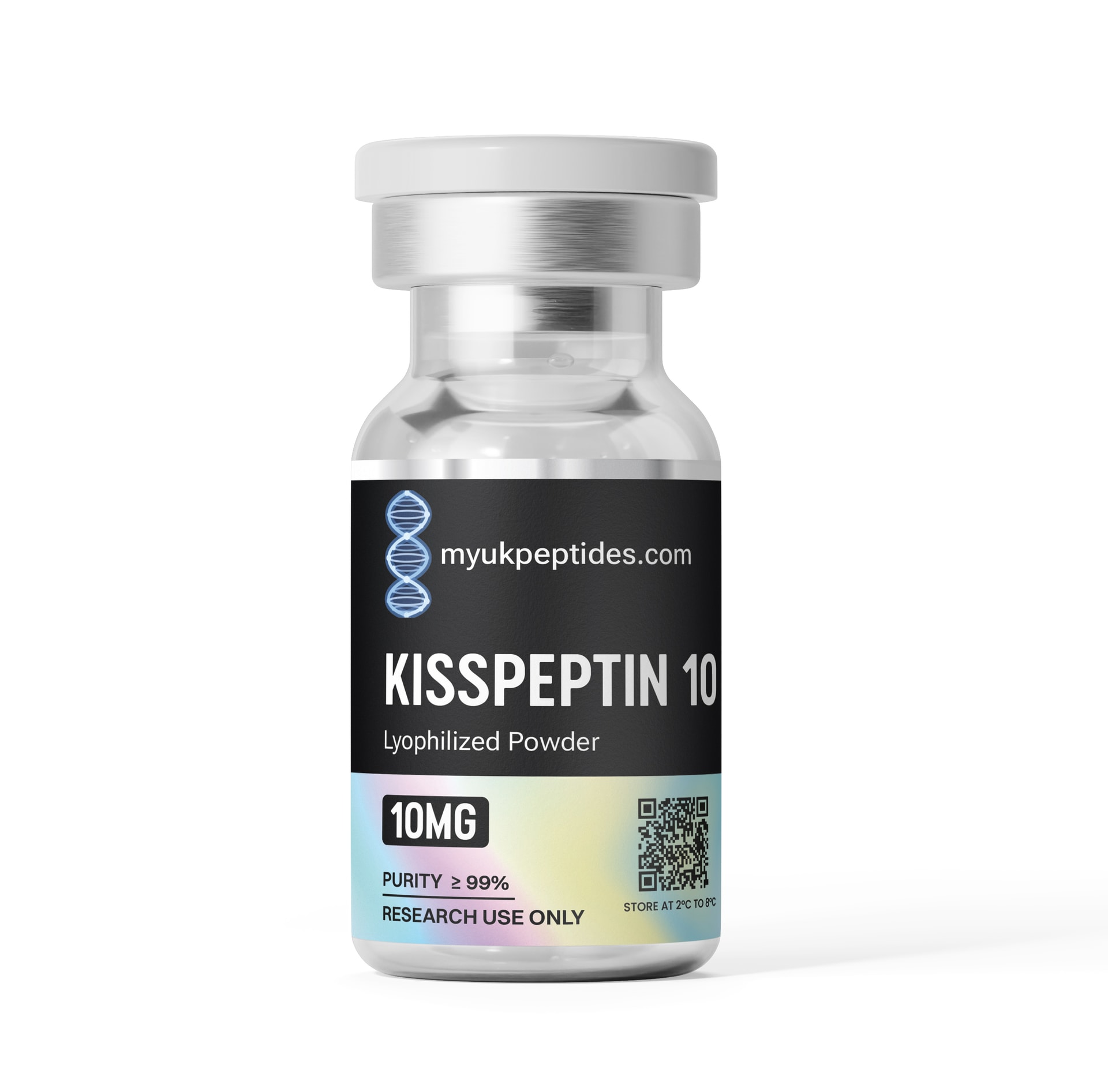 Shop KISSPEPTIN 10 10mg£34.99
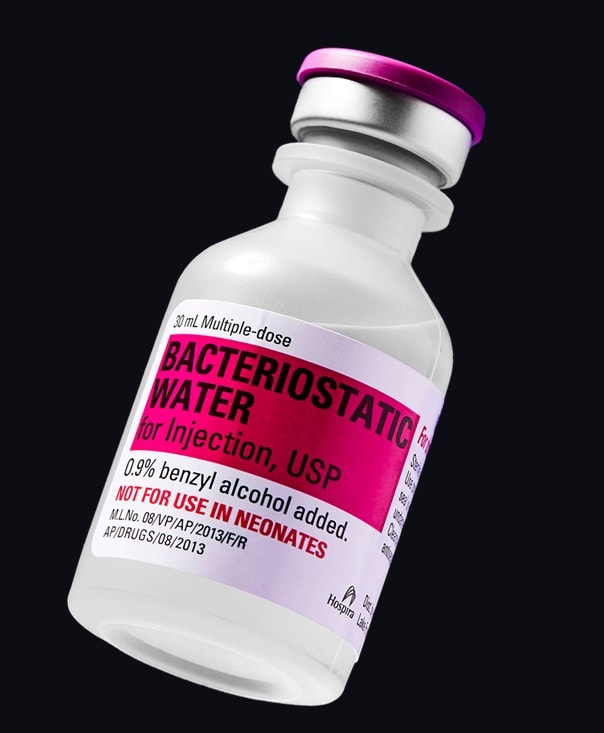 Sold OutShop Hospira 30ml Bac Water£50.00
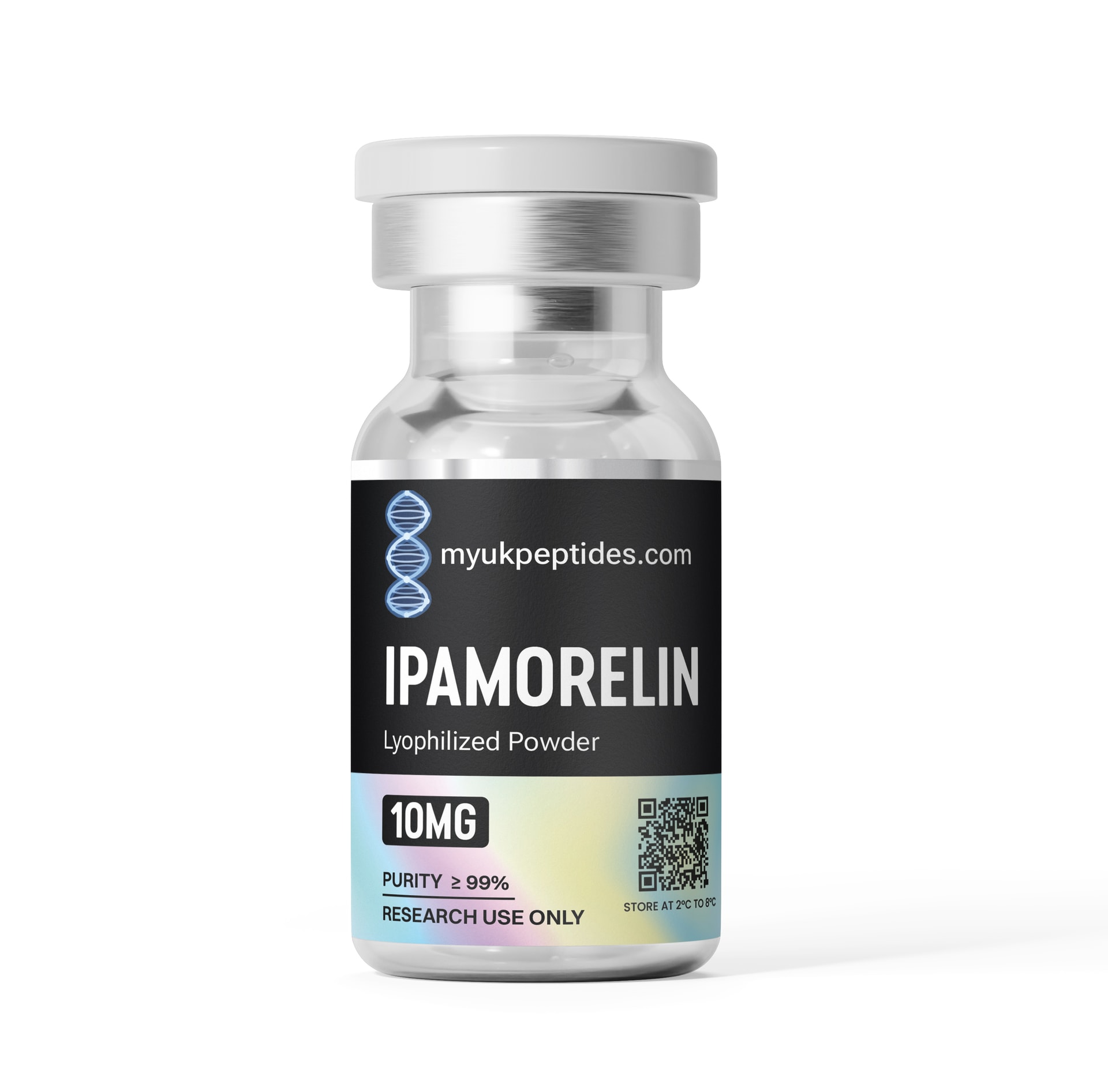 Shop Ipamorelin 10mg£39.99
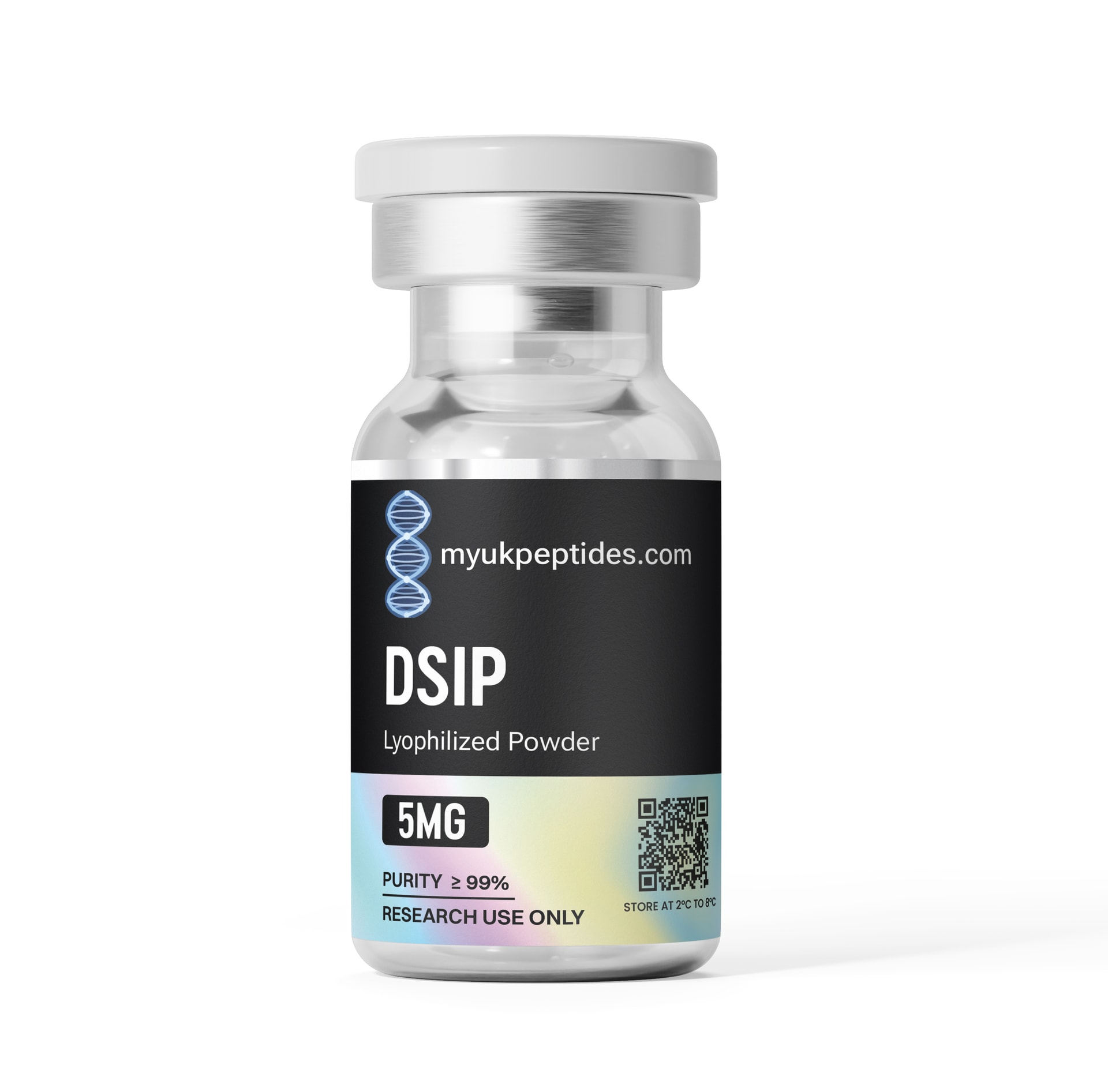 Shop DSIP 5mg£13.95
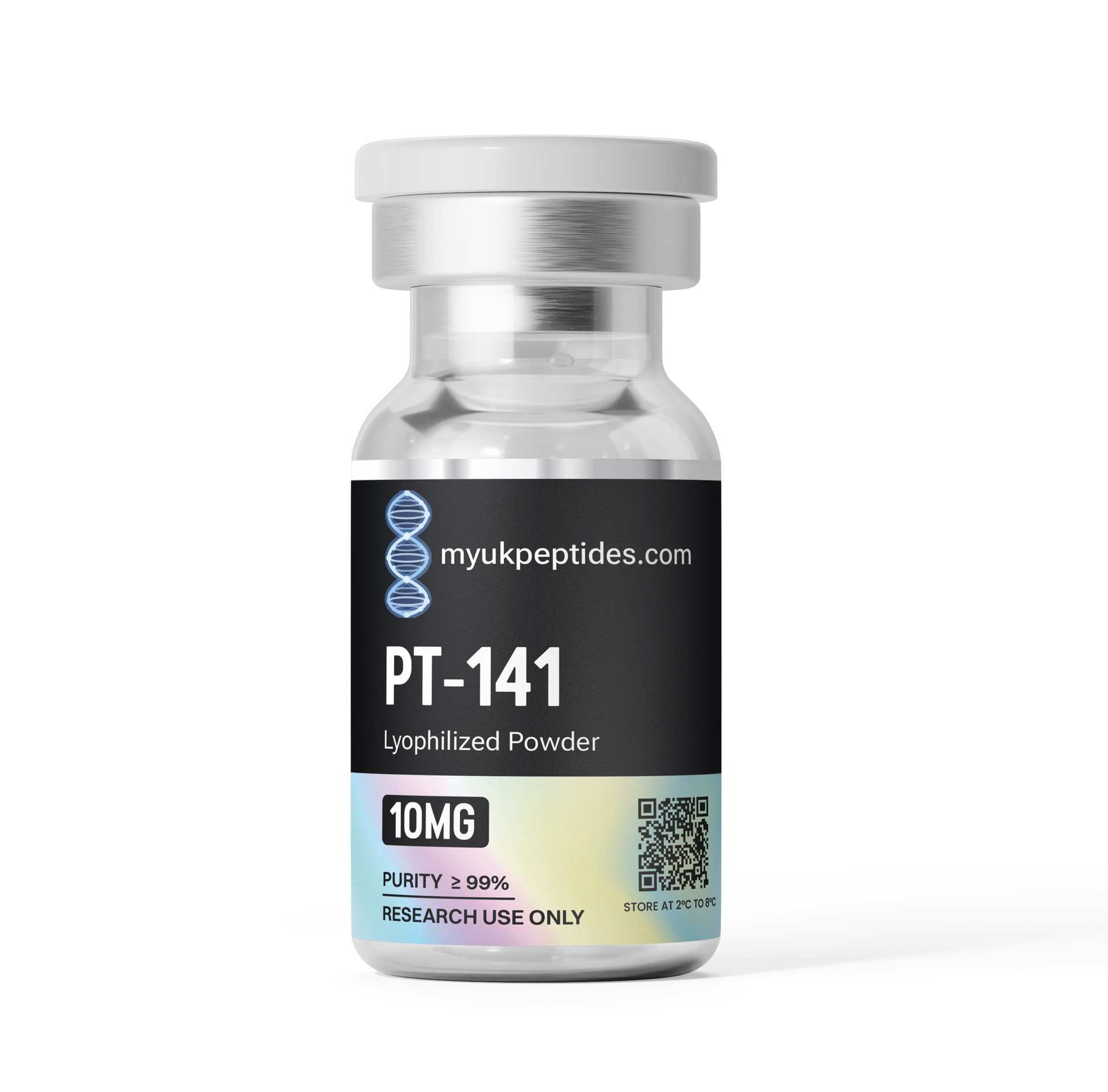 Shop PT-141 Bremelanotide 10mg£21.00
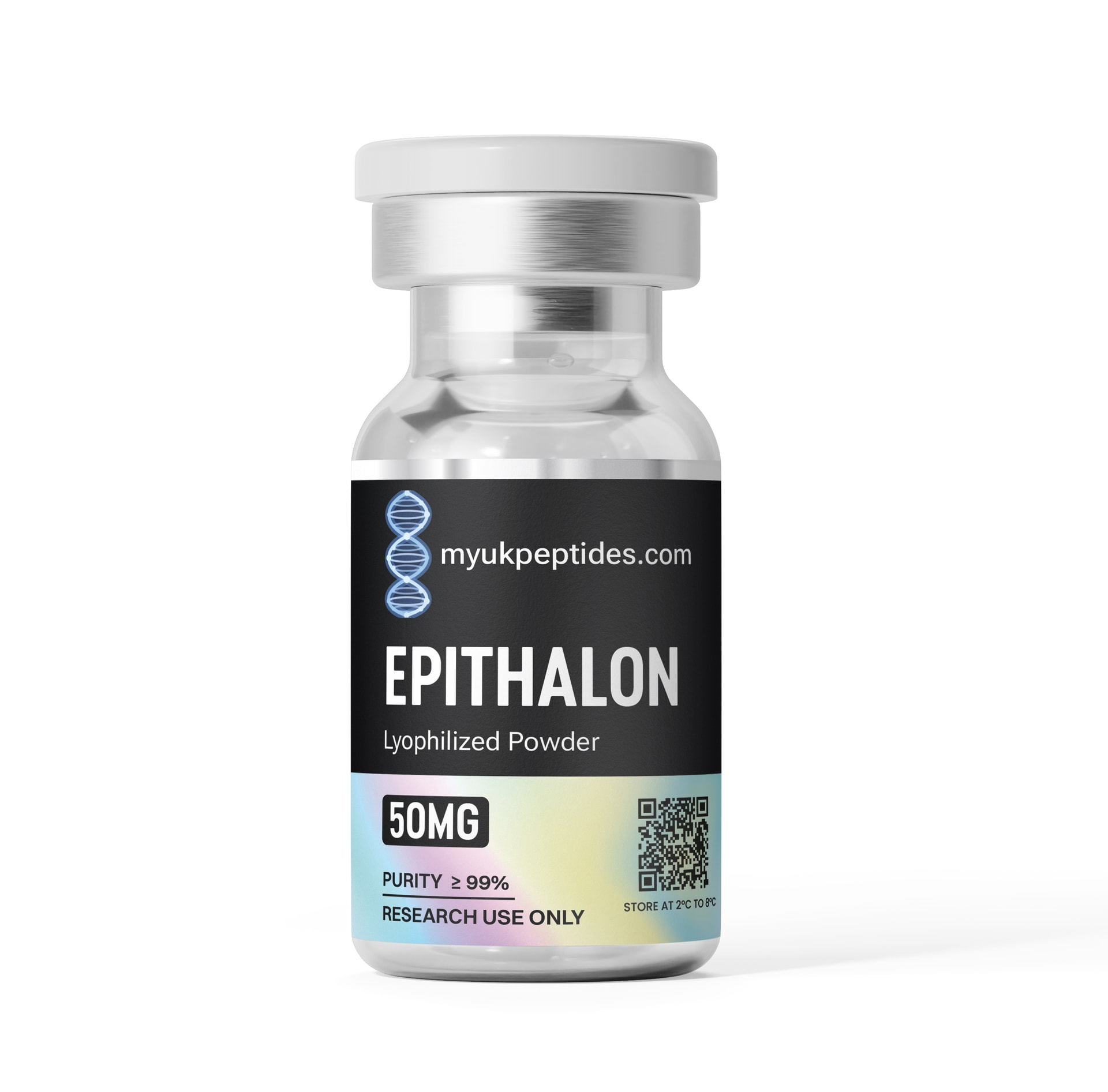 Shop Epithalon 50mg£34.99
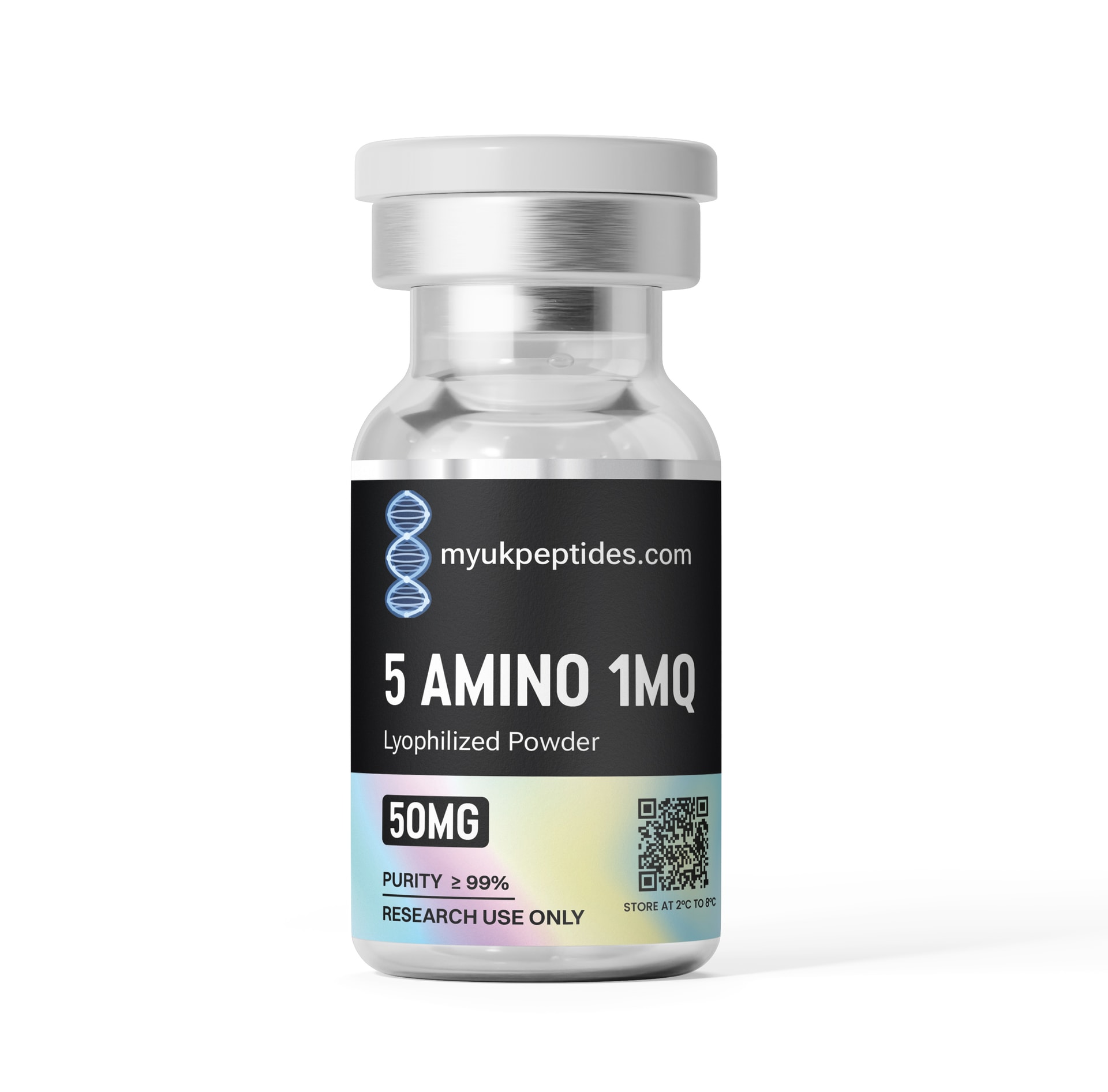 Shop 5 Amino 1 MQ 50mg£79.99
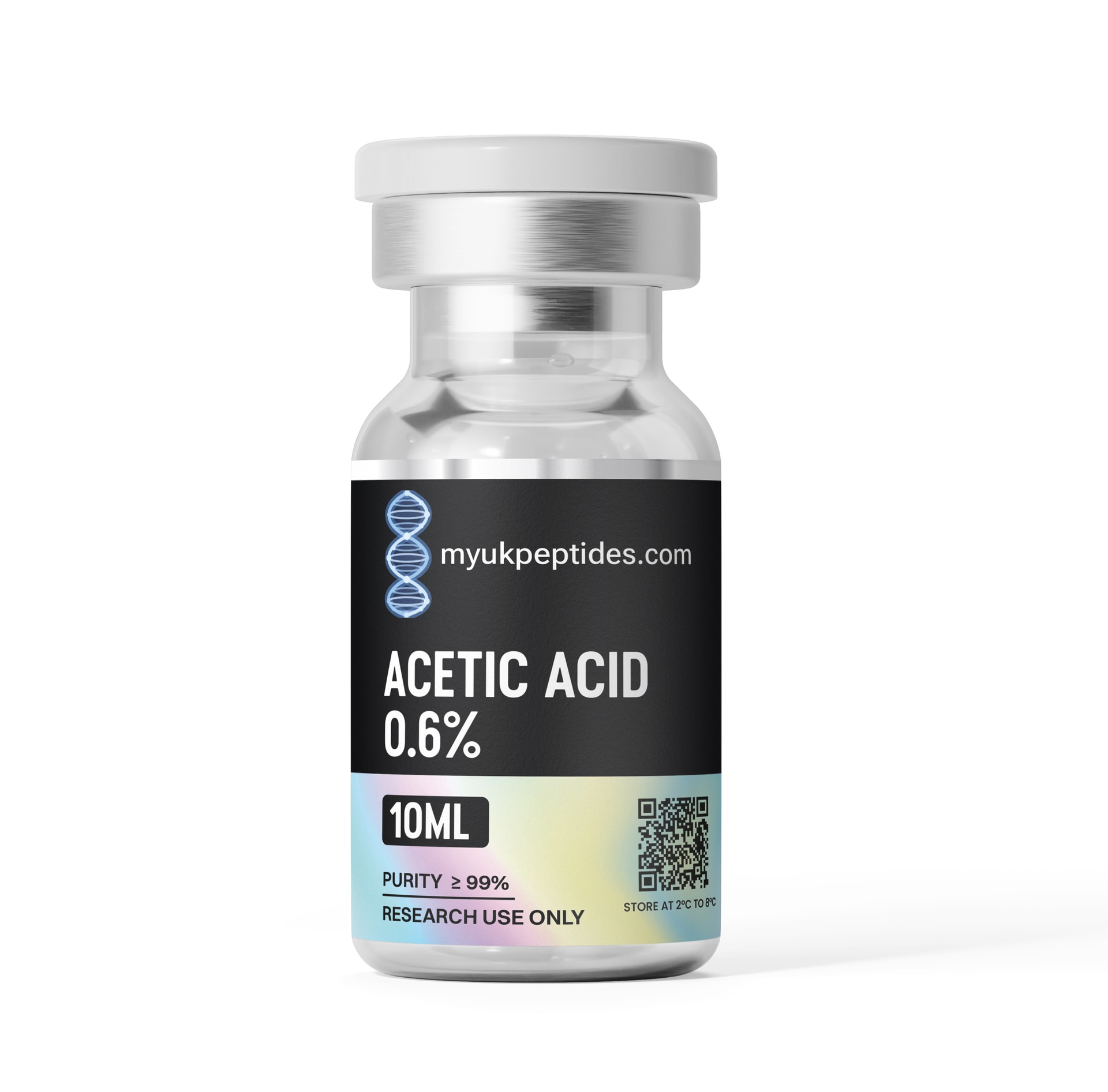 Shop 10ml Acetic Acid 0.6%£6.00

Tested by
Independent third-party lab testing
99%+ Purity
High purity guaranteed on all peptides
Same Day Dispatch
Order before 3PM Mon–Fri
Fast UK Delivery
Next day delivery available. (Free Shipping on orders over £200)
Research Use Only
Lab grade quality assured
Peptide Power: Research & Discovery
Guides, storage advice, reconstitution tutorials, and peptide science — for research use only.
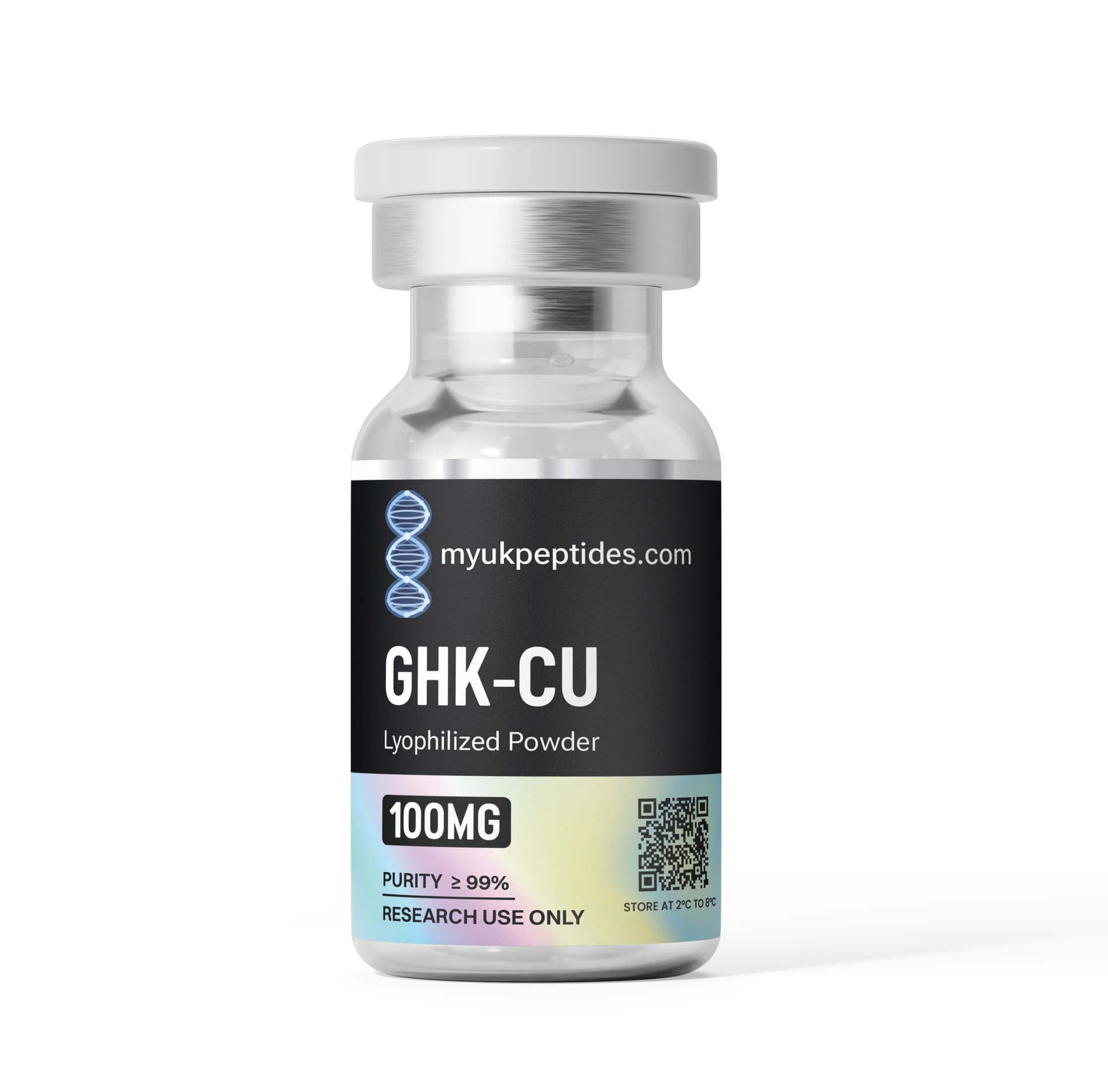
GHK-Cu (Copper Peptide): Research Identity & Storage
Research overview of GHK-Cu: identity checks, CoA review, and sealed lyophilised storage — for laboratory research use only.
How to Choose a UK Research Peptide Supplier (2026 Checklist)
A practical checklist for UK researchers: CoA quality, purity claims, packaging, delivery, and buying direct — without relying on unverified marketplace sellers.
How to Read a Peptide CoA: HPLC Purity Explained for Researchers
Learn what HPLC purity means on a research peptide Certificate of Analysis, which fields to check, and how My UK Peptides formats its own CoA certificates.
Buy Research Peptides UK: What to Check Before You Order
Before you buy research peptides in the UK, check CoA purity, official-site purchasing, research-only wording, and delivery — a concise pre-order guide.
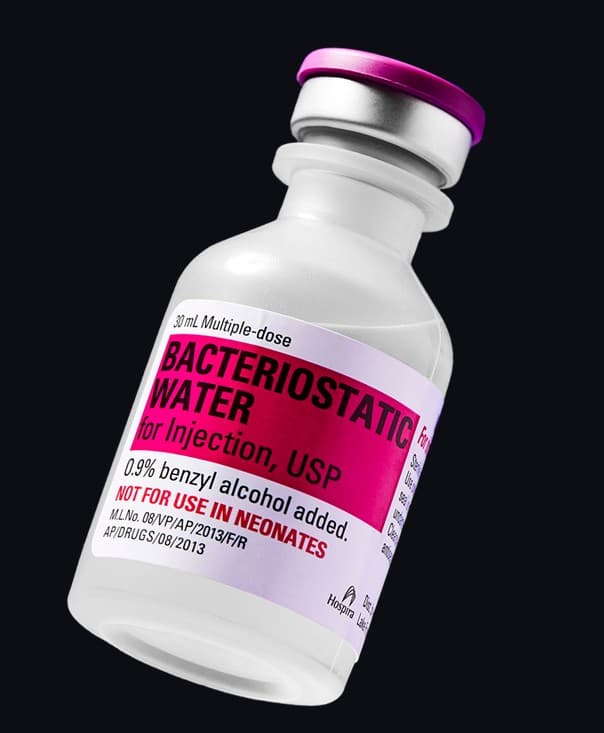
Bacteriostatic Water vs Sterile Water: Research Lab Supply Notes
A plain comparison of two common laboratory water products — bacteriostatic water and sterile water — covering composition and catalogue context only.
Our Research Peptide CoA & Quality Standard — Batch Purity Explained
How My UK Peptides issues batch-specific CoAs on our own certificate format — with clear HPLC purity and certificate references for UK researchers.
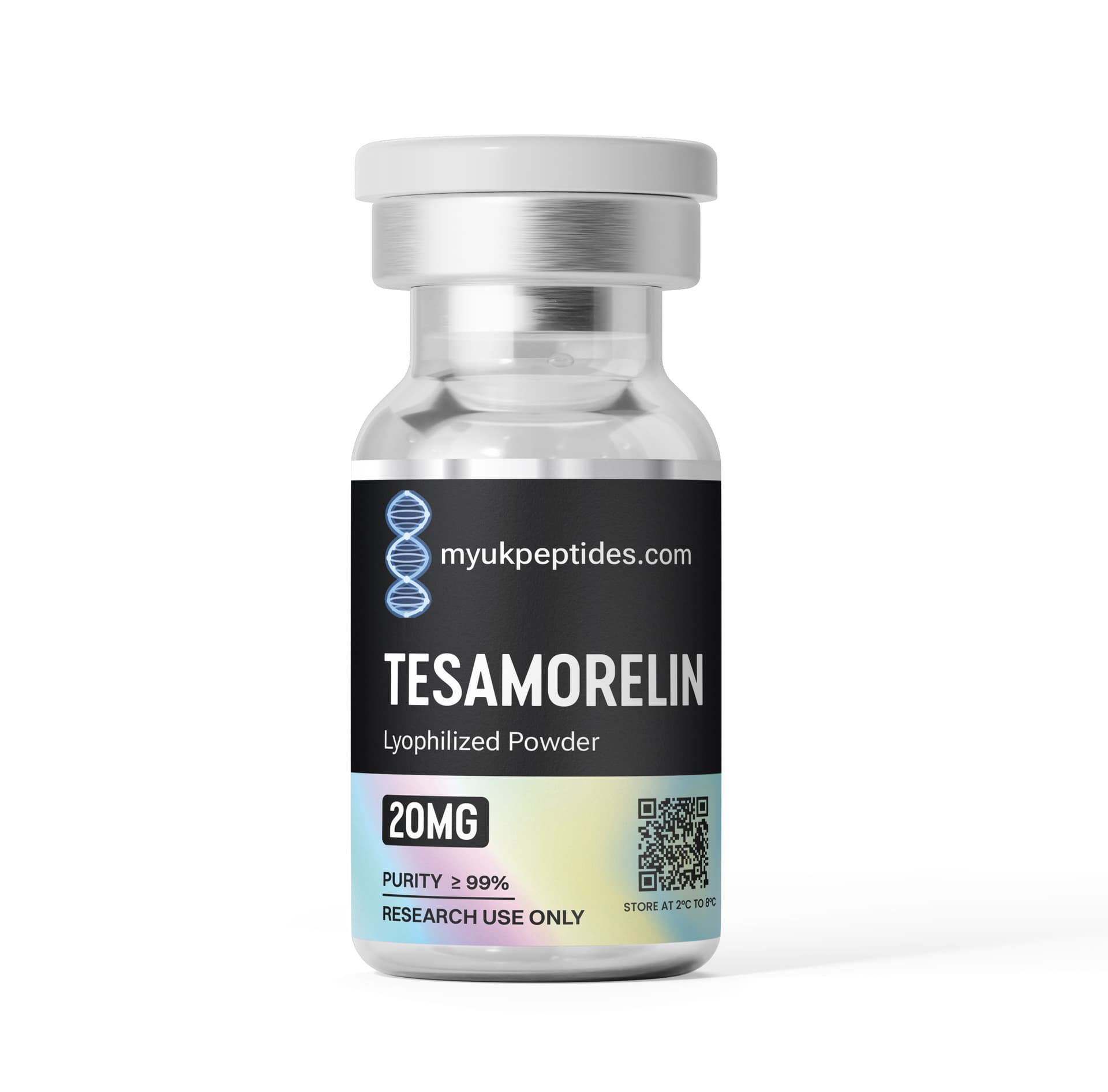
Tesamorelin Research Peptide: Identity & Storage Notes
How researchers verify Tesamorelin vial identity, review CoA purity, and store sealed lyophilised material — research use only.
What Are Peptides? The Complete Guide for Researchers (2026 Edition)
A comprehensive introduction to peptides — what they are, how they are made, how they behave, and why they are fundamental to modern research. Updated for 2026.
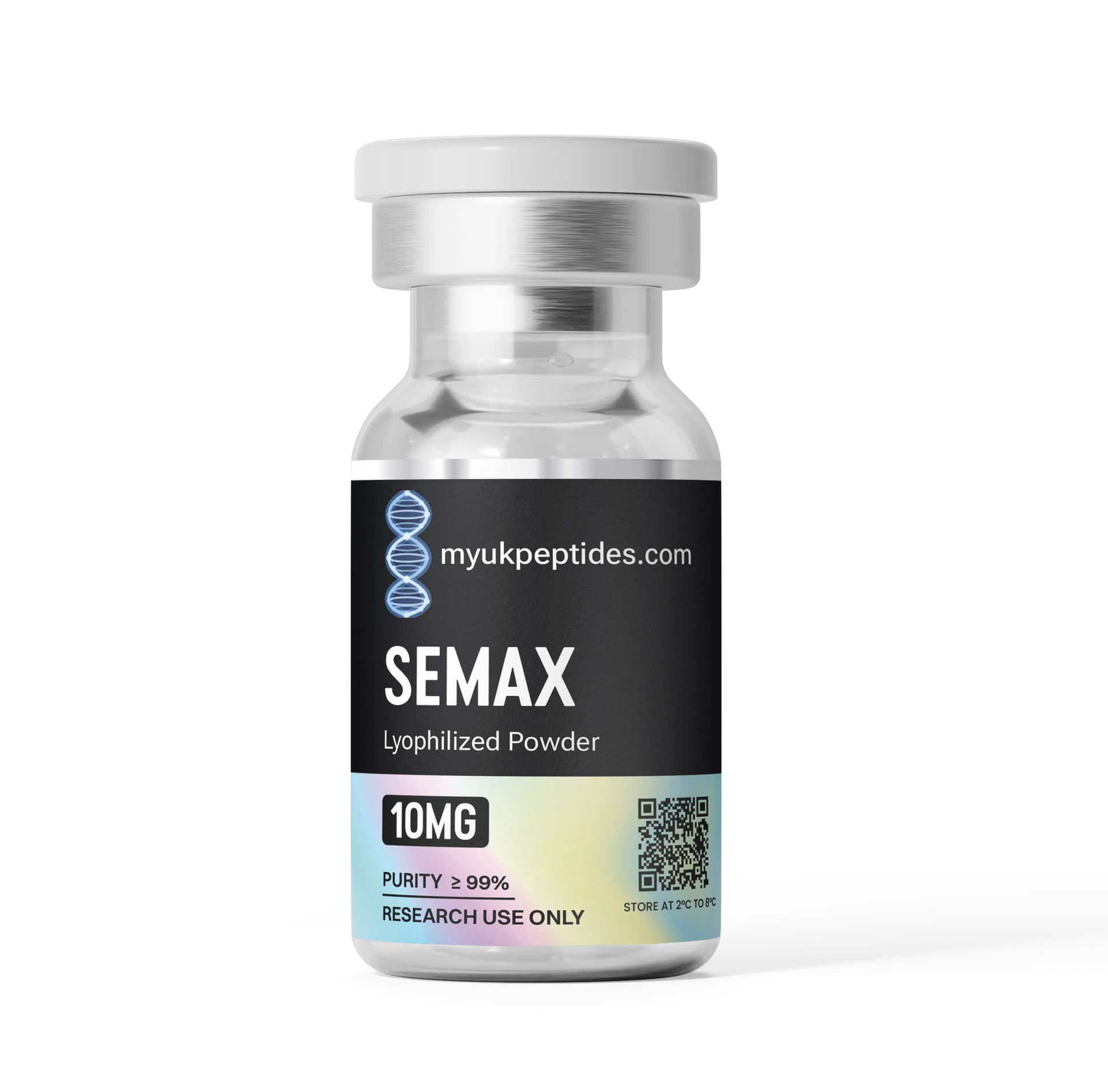
Semax Research Peptide: Structure Notes & Storage
Research-use overview of Semax: what to check on the CoA and how to store sealed lyophilised vials.
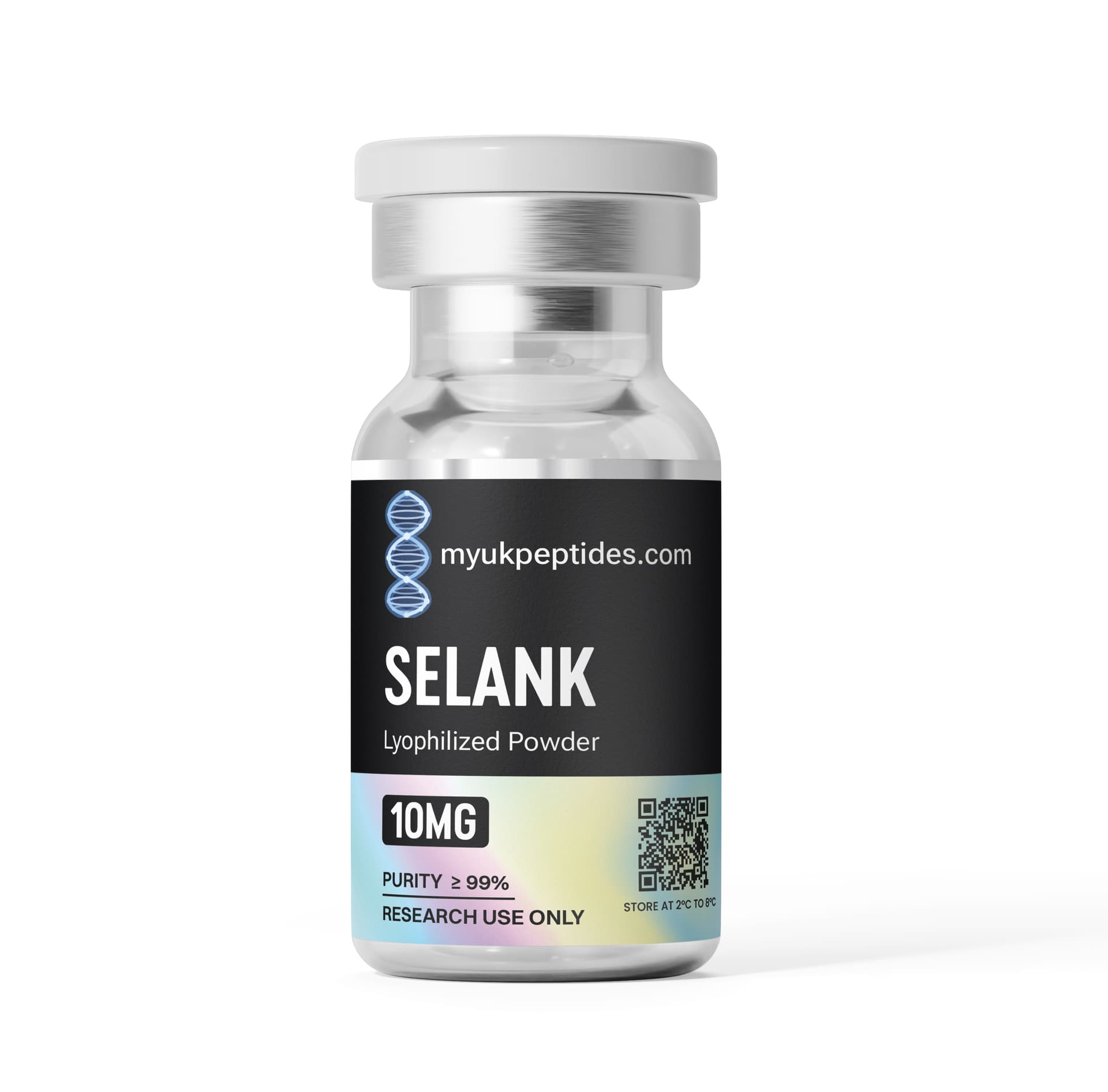
Selank Research Peptide: CoA Checks & Storage
Practical research guide for Selank vials: labelling, HPLC purity on the CoA, and sealed lyophilised storage.
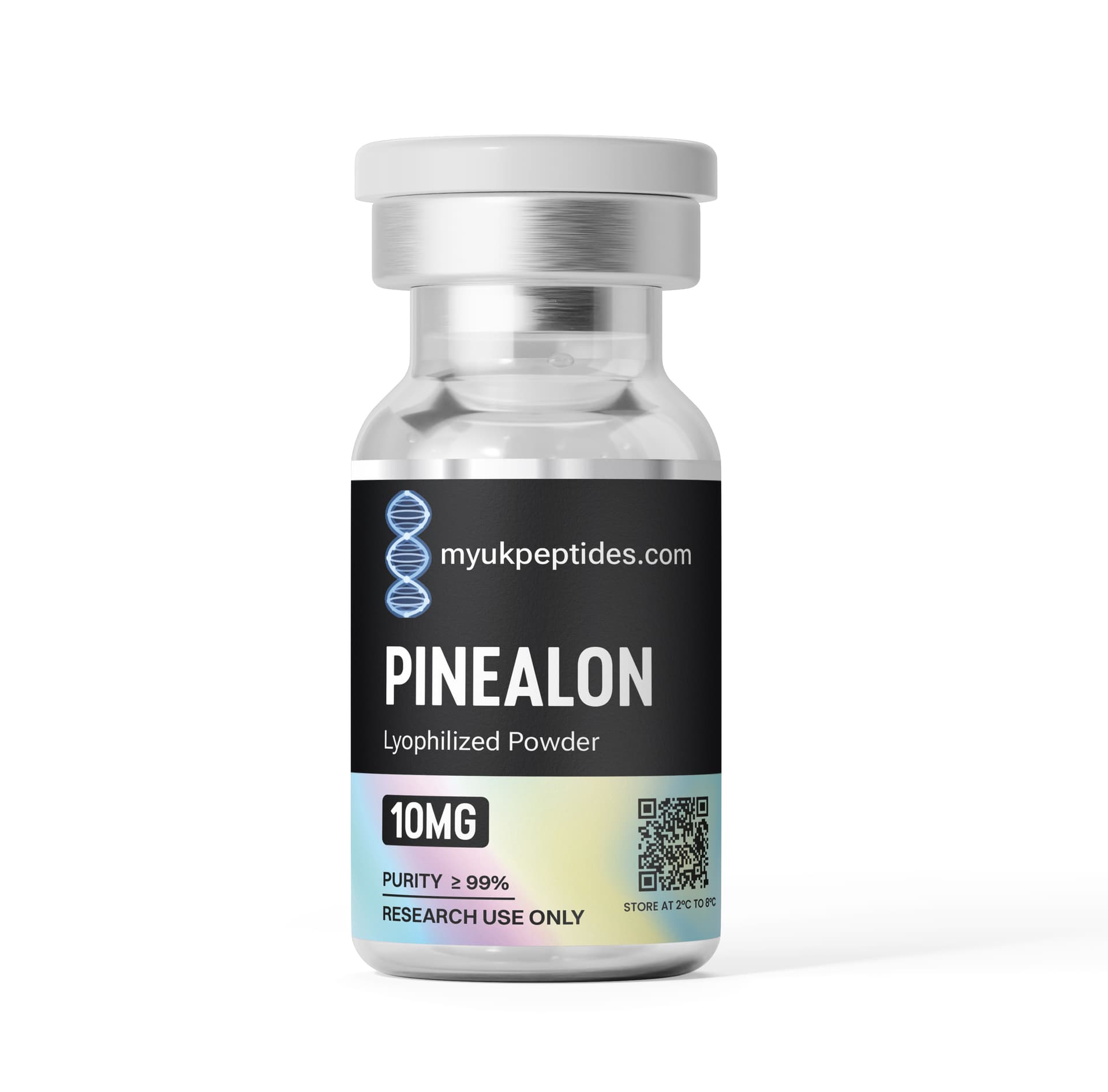
Pinealon Research Peptide: Identity, Purity & Storage
How to document Pinealon research vials (10 mg / 20 mg listings), review CoA data, and store sealed lyophilised peptide.
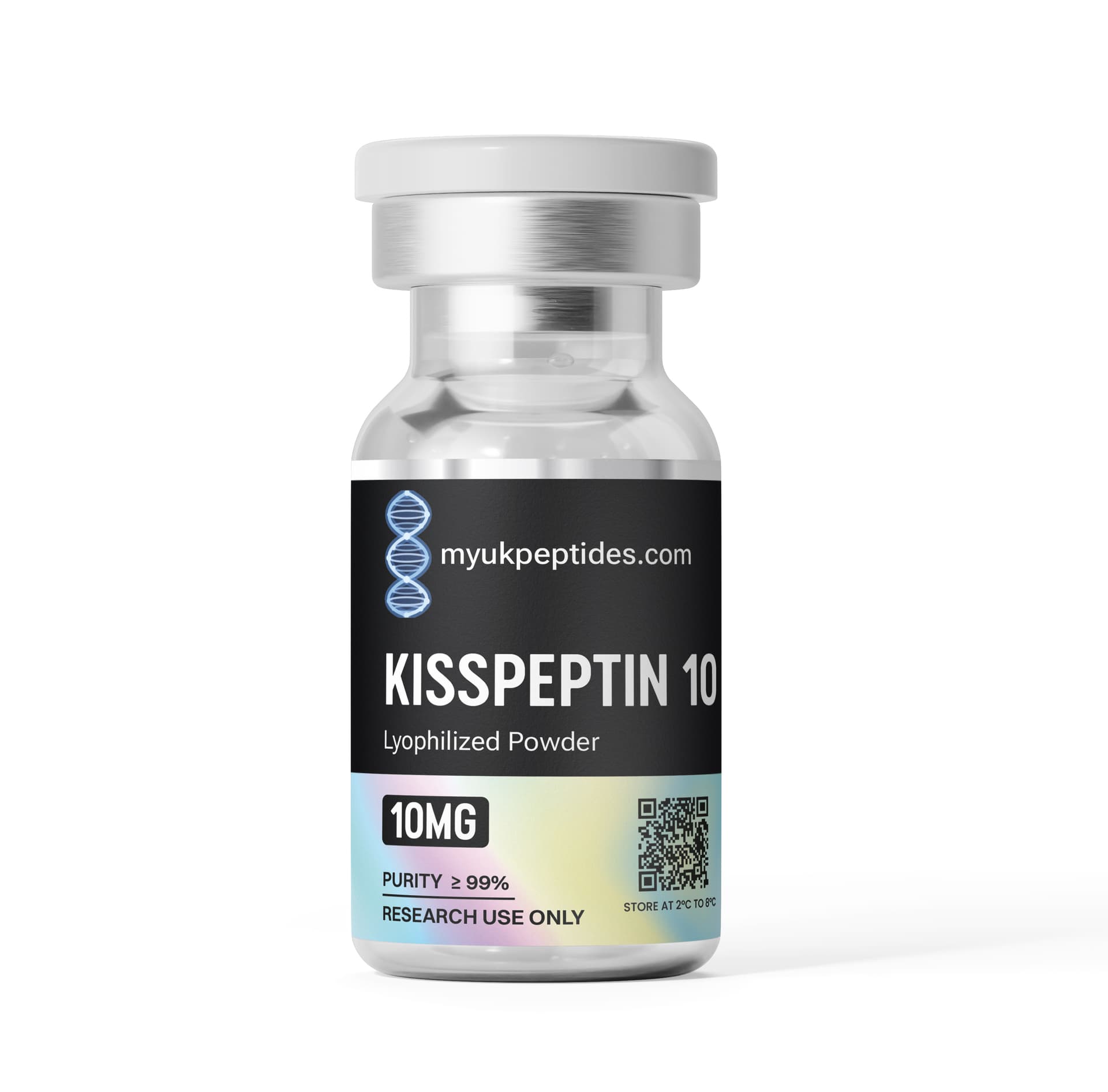
Kisspeptin-10 Research Peptide: Lab Documentation Guide
Research-only notes for Kisspeptin-10: confirming vial identity, reading CoA purity, and sealed storage.
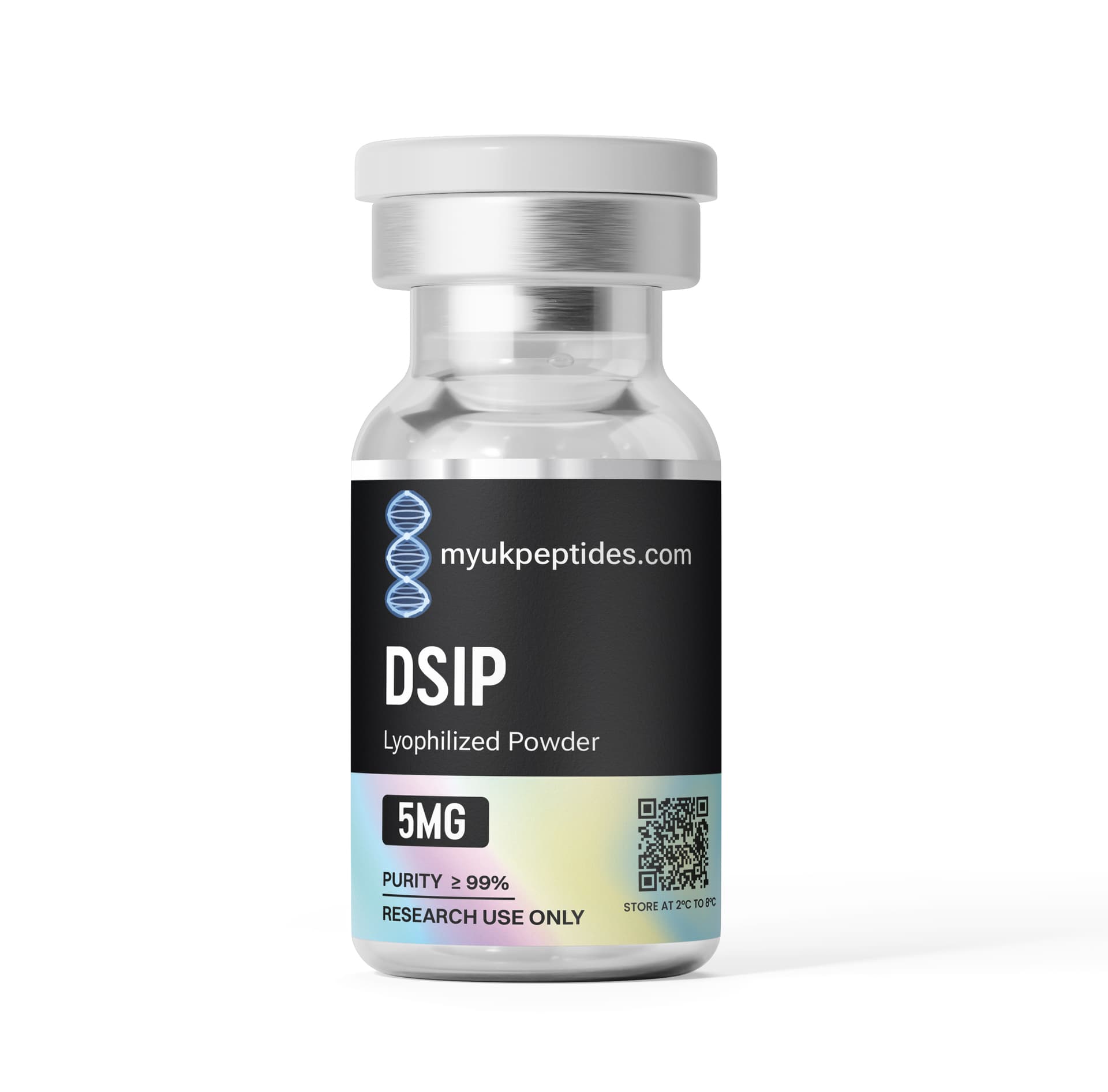
DSIP Research Peptide: CoA & Sealed Storage
Laboratory checklist for DSIP research vials: batch identity, HPLC purity, and cold sealed storage.
Sermorelin (GRF 1-29): Research Peptide Documentation
Research documentation for Sermorelin (GRF 1-29): matching 2 mg / 5 mg vial labels, CoA purity, and sealed storage.
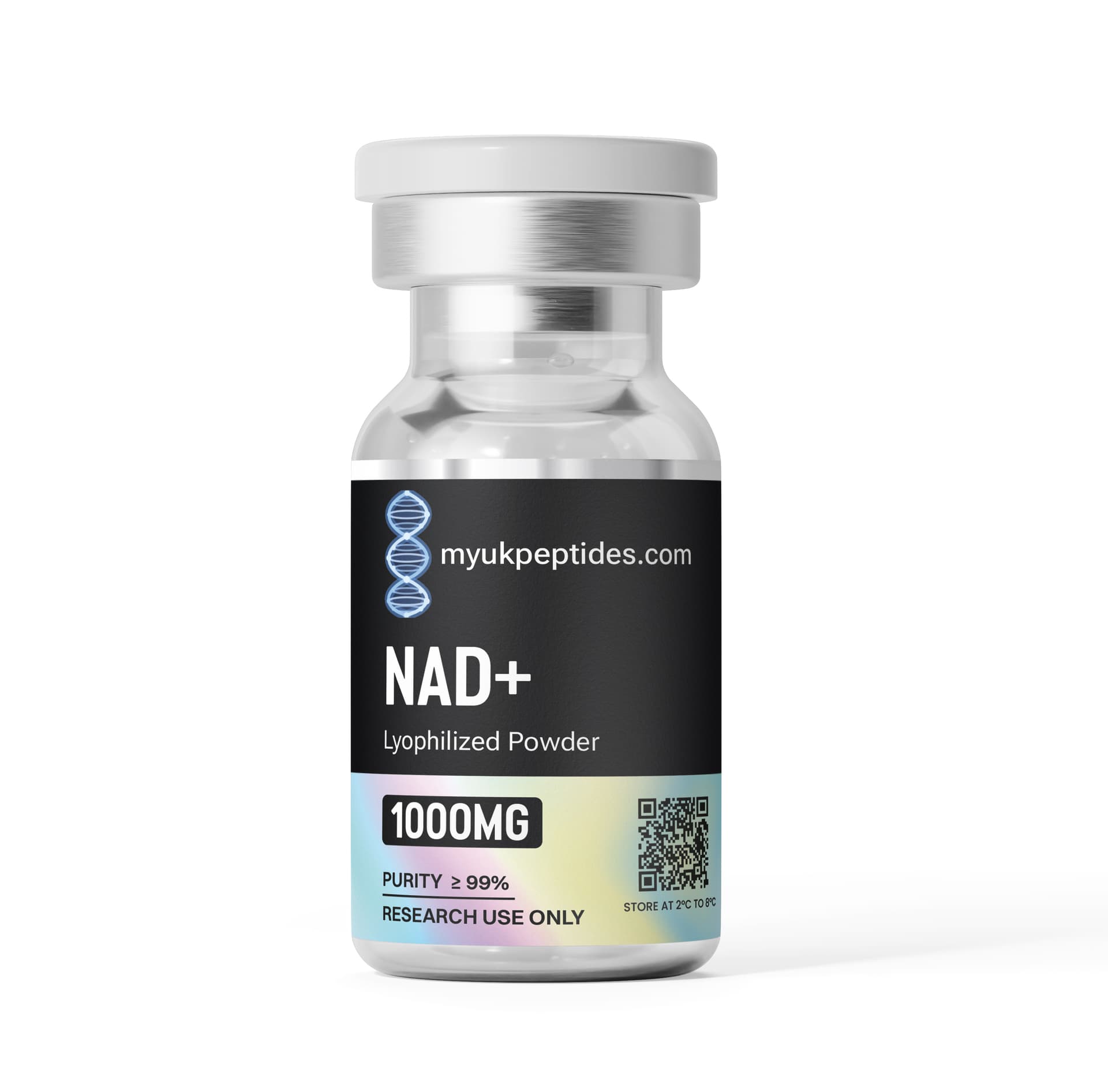
NAD+ Research Material: Lab Storage & Identity
Practical laboratory notes for NAD+ research listings (including 250 mg and 1000 mg sizes): identity and protection from moisture/light.
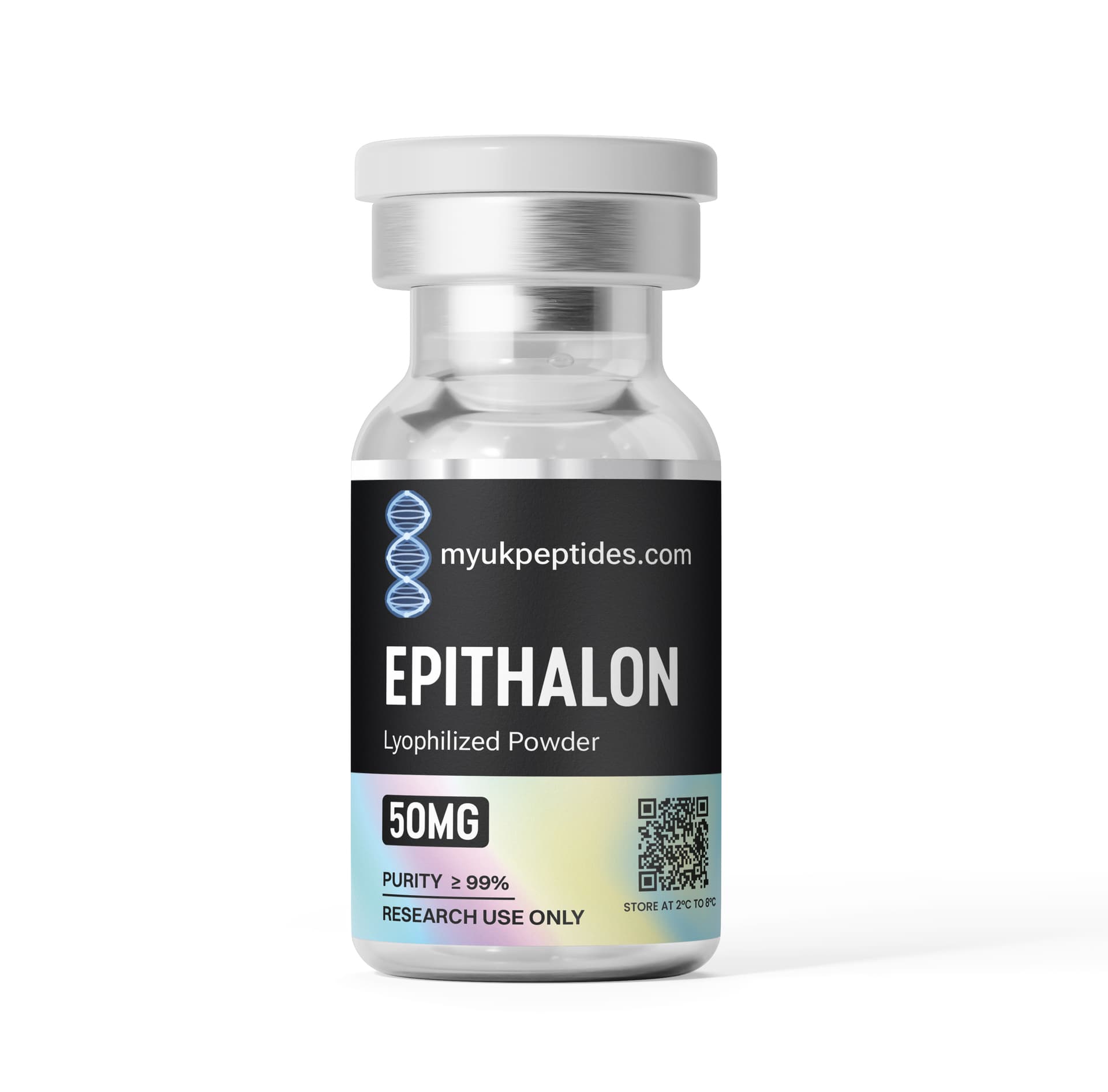
Epitalon & N-Acetyl Epitalon: Research Identity Guide
How to tell Epitalon and N-Acetyl Epitalon research listings apart, verify CoA data, and store sealed lyophilised vials.
Peptide Stability & pH Calculator for Research
Estimate in vitro stability by peptide form, storage temperature, and pH level — with our interactive calculator built for UK researchers.
AOD-9604 Research Peptide: Documentation Overview
Research-only AOD-9604 notes: verifying 2 mg / 5 mg vial labels, reviewing CoA purity, and sealed storage.
My UK Peptides Only Sells Direct — Not on Any Other Platform
We only sell through myukpeptides.com. If you see our products on Amazon, eBay, TikTok or any other marketplace — they are not from us.
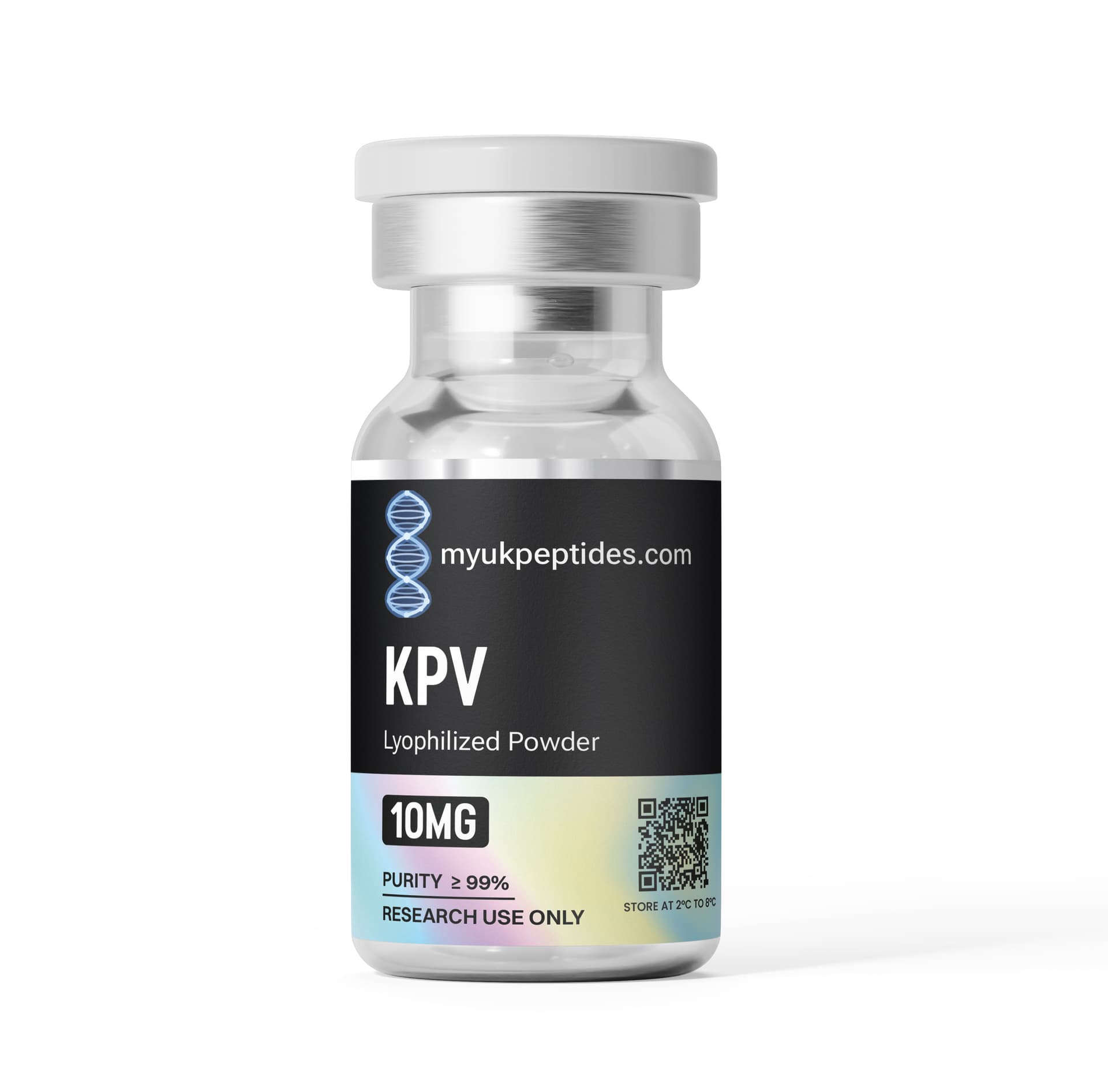
KPV Research Peptide: Laboratory Documentation
Research checklist for KPV (5 mg / 10 mg listings): CoA purity, vial identity, and sealed storage.
Unofficial Peptide Sellers: A Cautionary Note for UK Researchers
A guide to recognising unofficial sellers and protecting your research from substandard or counterfeit peptide products.
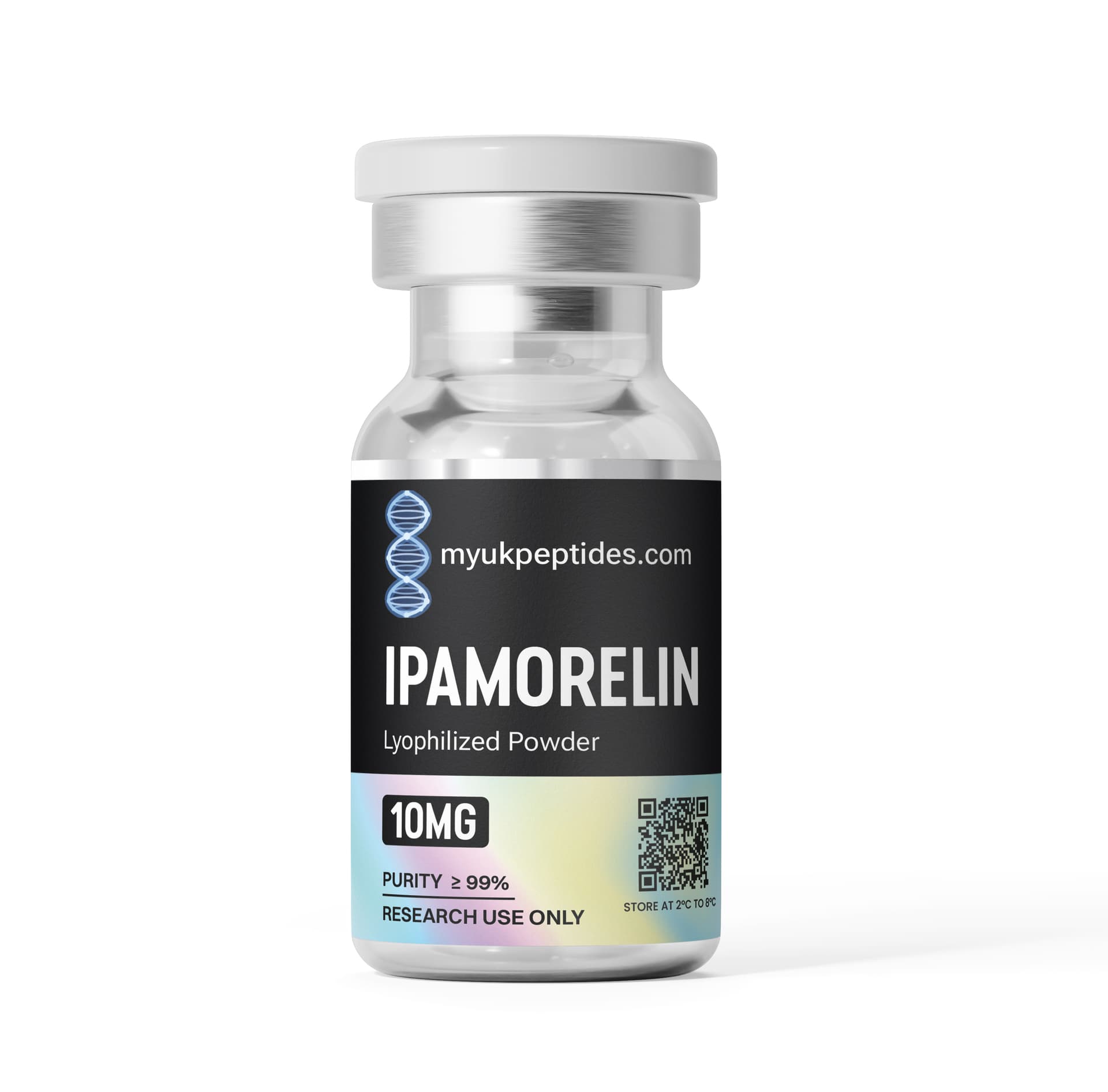
Ipamorelin Research Peptide: CoA & Storage Guide
Research-only Ipamorelin notes for 2 mg and 10 mg vials: identity confirmation, HPLC CoA review, and sealed storage.
Blended Peptides in a Single Vial: Research Convenience or Compromise?
The growing trend of pre-blended peptide vials raises important questions for researchers. We examine the science and explain why separate compounds often serve research better.
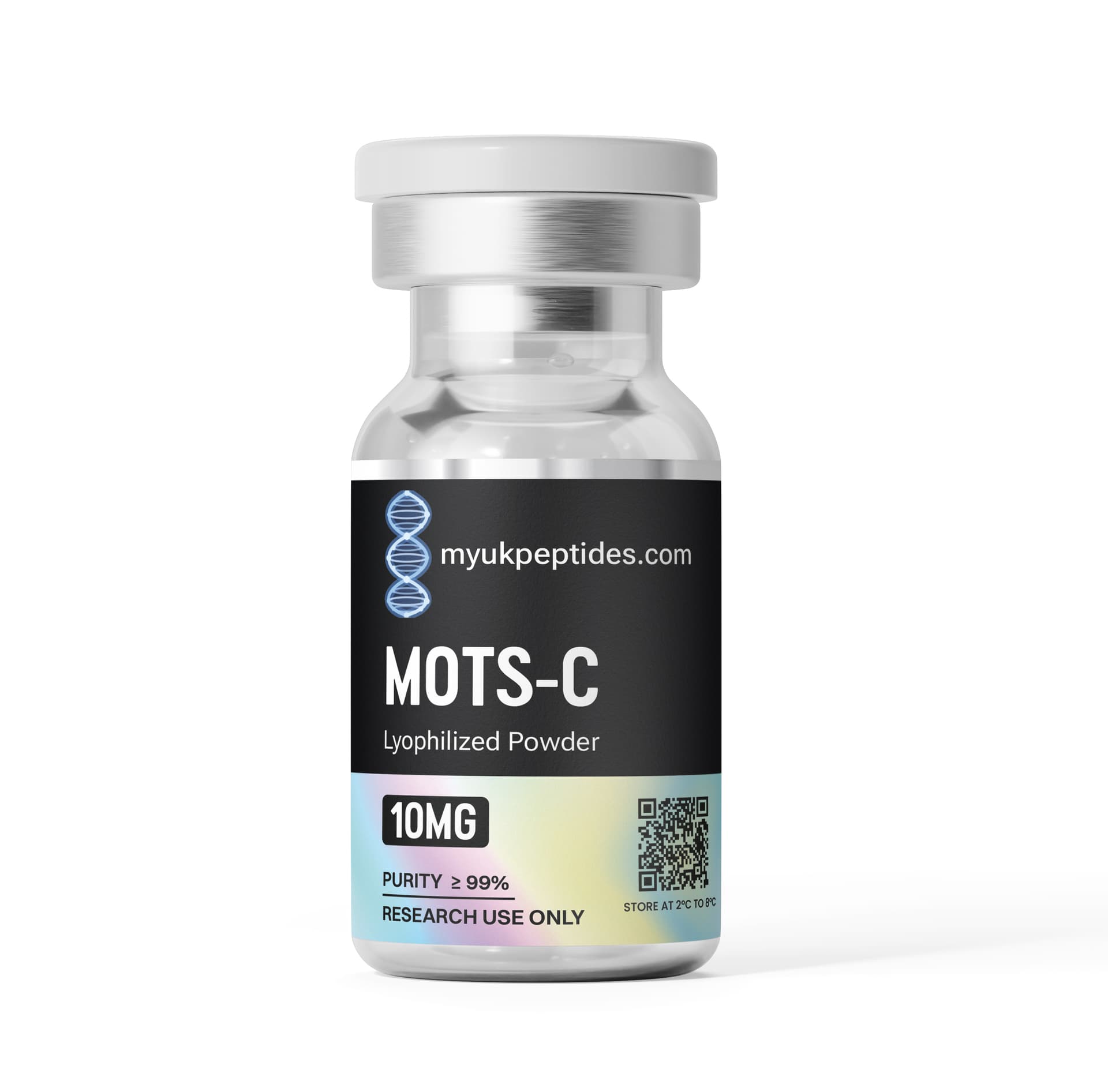
MOTS-c Research Peptide: Identity & Sealed Storage
Research documentation for MOTS-c: what it is as a laboratory reagent, how to check the CoA, and how to store sealed lyophilised vials.
The Ultimate Peptide Research Storage Solution for UK Labs
A well-organised storage system protects your research investment. We cover the essential equipment every UK peptide researcher should have in their lab.
Next Day Peptide Delivery Across the UK
My UK Peptides ships research peptides with next-day delivery options across the UK, using cold-chain packaging designed to maintain peptide integrity in transit.
Peptides in Research: How AI is Shaping the Future of Discovery
Artificial intelligence is transforming how researchers identify, design, and test peptide compounds. We explore the current possibilities and what lies ahead.
FOXO4-DRI (Proxofim): Research Material Notes
Laboratory documentation for FOXO4-DRI research material: verifying identity and protecting sealed lyophilised stocks.
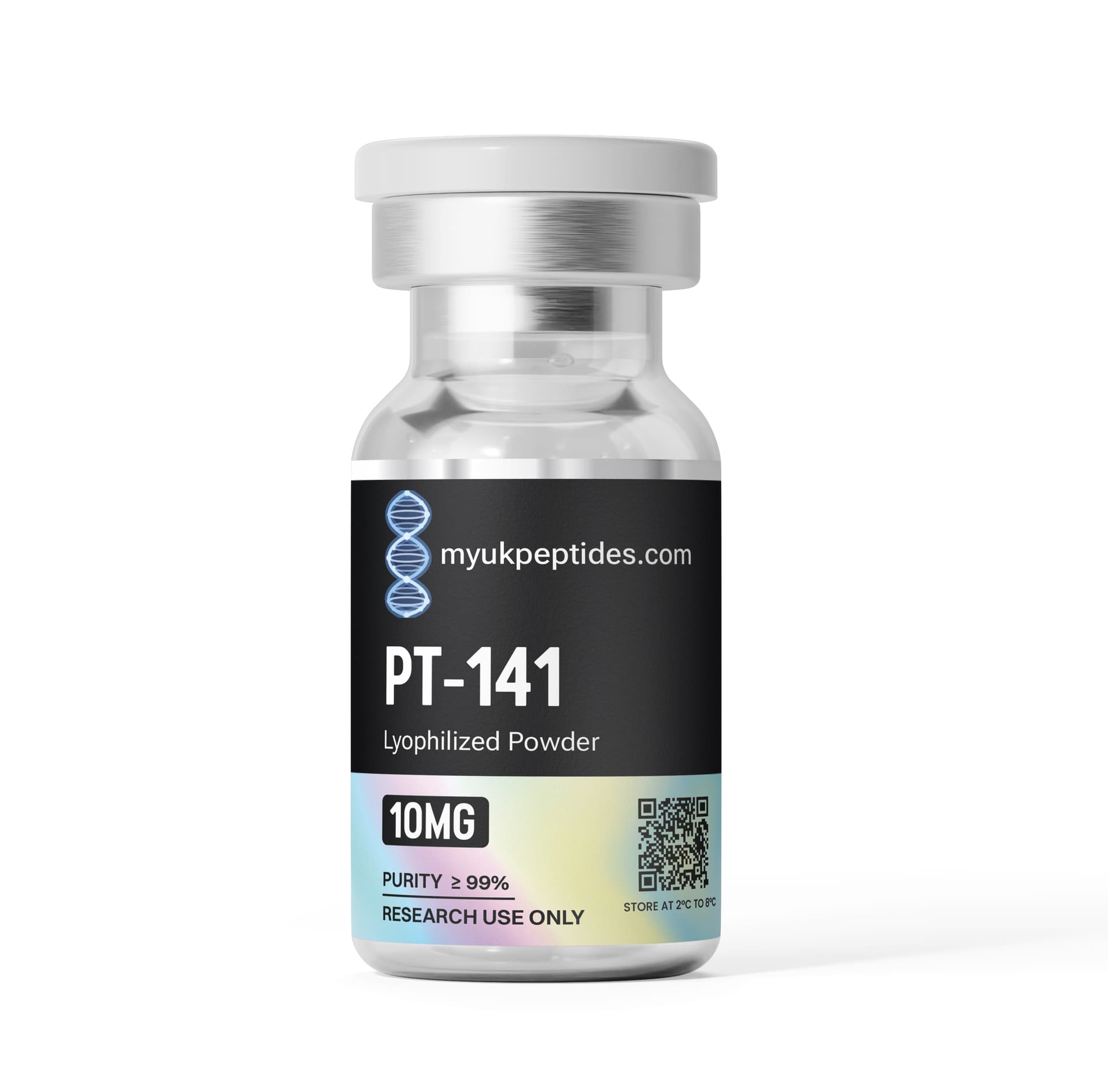
PT-141 Research Peptide: Identity, CoA & Sealed Storage
Research documentation for PT-141 catalogue material: identity checks, CoA review, and sealed lyophilised storage — for laboratory research use only.
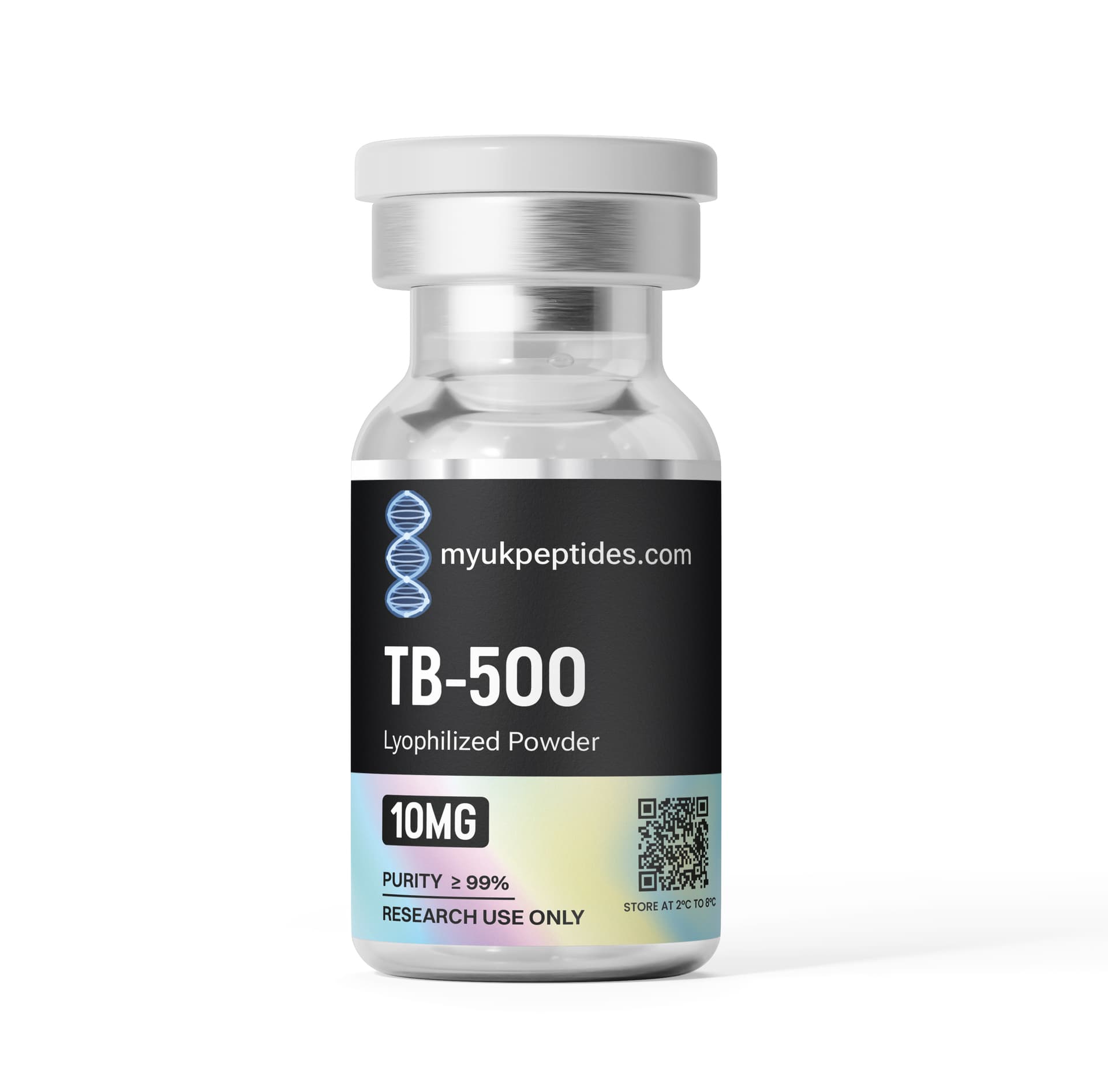
What is TB-500? Understanding This Research Compound
TB-500 is a thymosin β4–related research designation. This guide covers how to verify identity on the CoA, typical molecular reference points, and laboratory handling.
Do Peptides Need to Be Refrigerated? The Complete Storage Guide
A practical guide to storing sealed lyophilised research peptides — temperature, light, humidity, and common cold-storage mistakes.
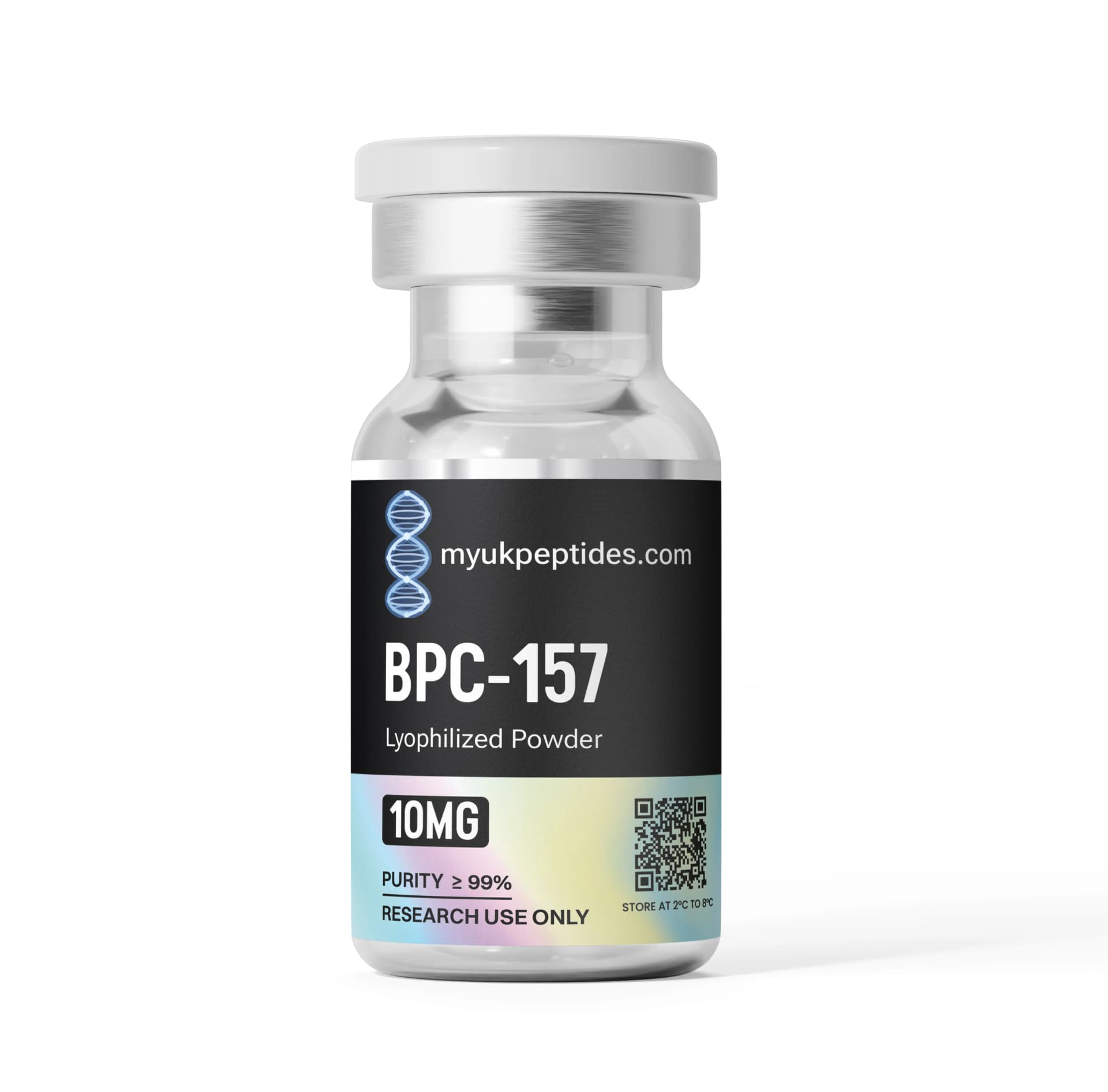
BPC-157 Research Peptide: Identity, CoA & Sealed Storage
Research documentation for BPC-157: confirming vial identity, reviewing CoA purity, and storing sealed lyophilised material — for laboratory research use only.
The Science Behind Stable BPC-157: Fact vs Fiction
Claims about 'stable BPC-157' (Arginine BPC-157) have become widespread. We cut through the marketing and examine what the science actually says.
Exploring Peptide Bonds: The Molecular Building Blocks of Research
A dive into the biochemistry of peptide bonds — how they form, why they matter, and what they mean for the stability of the compounds you work with in the lab.
Understanding ACE-031 (Ramatercept): A Research Overview
ACE-031 (Ramatercept) is a fusion protein used in laboratory research models. This overview covers identity, documentation, and handling — not clinical use.
Understanding Lyophilisation: How Freeze-Drying Preserves Research Peptides
Lyophilisation is the process that makes long-term peptide storage possible. This guide explains how it works and why it matters for research compound integrity.
Peptide Bonds: A Beginner's Guide for Researchers New to the Field
New to working with research peptides? This beginner's guide to peptide bond chemistry provides the foundation you need to understand how these molecules behave in the lab.
Follistatin Research Material: Identity & Storage
Research notes for follistatin catalogue material, including purity labelling caveats and sealed laboratory storage.
DNSP-11 Research Peptide: Documentation & Storage
Research-use guide for DNSP-11: confirming vial identity, reviewing CoA purity, and storing sealed lyophilised peptide.
CJC-1295 With DAC: Research Peptide Documentation
How researchers distinguish CJC-1295 with DAC from without-DAC listings, verify CoA data, and store sealed vials.
CJC-1295 MOD GRF 1-29 (Without DAC): Research Guide
Research documentation for CJC-1295 MOD GRF 1-29 without DAC: labelling checks, CoA purity, and sealed storage.
ADAMAX Research Peptide: Identity & Storage
Laboratory checklist for ADAMAX research vials: CoA confirmation and sealed cold storage.
Mannitol and Peptides: What Researchers Need to Know
Mannitol is a sugar alcohol commonly used as a stabilising excipient in lyophilised peptide formulations. This guide explains its role and what it means for your research.
Bacteriostatic Water: Research Lab Supply Overview
What bacteriostatic water is as a laboratory supply item, how it differs in composition from sterile water, and how we position it in our research catalogue.
44 articles · For educational and research purposes only. Products sold by My UK Peptides are not for human or veterinary use.
Research Use Only
For laboratory research use only. Not for human or veterinary use.
Not for Human Use
Products are not intended for human or veterinary consumption.
Quality Guaranteed
Rigorous quality control on every batch from our state-of-the-art laboratory.